

Illustration: Organized records support a careful review of liability, causation, and damages.
A Texas shopper hurt in a Home Depot slip, trip, or fall needs four things to bring a case.
What the case needs | What it means in practice |
|---|---|
A supported legal theory | The facts must fit premises liability, negligent activity, or another theory that Texas law recognizes. |
The correct responsible parties | The store operator, property owner, contractor, or another entity must actually have controlled the condition or conduct. |
Evidence linking conduct or a condition to the injury | Photographs, video, witnesses, and records must connect what happened on the floor to the medical harm. |
Timely proceedings in the proper forum | Suit must be filed and served on time, in a court with proper venue and jurisdiction. |
A serious injury doesn't remove the need to prove liability. A retailer's denial doesn't defeat a claim that competent evidence supports.
Who this guide serves | How to use it |
|---|---|
Injured shoppers and families | Start with the facts, preserve what can disappear, and learn what a judge and jury will ask. |
Lawyers investigating Texas retail premises cases | Use the evidence-centered method to test each element before filing or settling. |
Anyone reading the examples | Every example labeled hypothetical is a teaching exercise. It is not a client result or an allegation about any particular Home Depot store. |
Anyone evaluating counsel | Aaron Herbert's verified board certification is discussed as a qualification to weigh, not a prediction about any lawsuit. S1 |
In this guide
The 43 sections follow a case from the first hour after a fall to the closing argument.
Stage | Sections | What it answers |
|---|---|---|
Intake and the injured person | 1. Decisions that determine whether a case can proceed; 2. Protect the person and preserve an honest account | Can this case go forward, and how does the shopper keep an accurate record? |
Liability theory | 3. The actual hazard and mechanism; 4. Premises condition or contemporaneous activity; 5. Control and the correct defendants; 6. Actual notice; 7. Constructive notice and a defensible timeline | What caused the fall, who was responsible, and what did they know? |
Evidence preservation | 8. Video as a record; 9. Preservation duties and missing evidence; 10. Scene inspection; 11. A worked evidence audit; 12. Metrics that describe evidence | Which records can disappear, and what do they actually prove? |
Deadlines, forum, and pleading | 13. Limitations and service; 14. Venue and federal removal; 15. Pleading and a proportional discovery plan | When and where must the case be filed, and how should it be framed? |
Discovery and proof | 16. Document requests; 17. Employee and organizational depositions; 18. Authentication and admissibility; 19. Expert selection | How does counsel obtain usable evidence and qualified opinions? |
Causation, damages, and defenses | 20. Medical causation and preexisting conditions; 21. Damages by category; 22. Comparative responsibility and open-and-obvious conditions; 23. Summary judgment preparation | Did the fall cause the harm, what is recoverable, and what will the defense argue? |
Resolution and trial | 24. Settlement risk model; 25. Mediation presentation; 26. Voir dire; 27. Trial theory; 28. Direct and cross-examination; 29. Jury charge and preservation; 30. Closing and damages request; 31. Net recovery and reimbursement | Should the case settle, and how is it tried if it doesn't? |
Counsel and planning | 32. Evaluating Aaron Herbert for this case; 33. A sample practitioner work plan; 34. Research controls and Home Depot data | Who should handle the case, and how should the work be organized? |
Questions and Home Depot tools | 35. Common questions; 36. Next resource by missing evidence; 37. Competing explanations; 38. Consultation checklist; 39. Five Home Depot decisions; 40. Warehouse-style route reconstruction; 41. Packaging versus a dangerous condition; 42. Evidence dashboard; 43. Technical proof and settlement | What do shoppers ask most, and which store-specific tools help test the evidence? |
1. Decisions that determine whether a case can proceed
Before anyone drafts a demand letter, six questions need answers.
Question | Hypothetical Home Depot example |
|---|---|
What precise condition or activity caused the fall? | A packing strap on the floor of the lumber aisle, or a flatbed cart pushed into the shopper. |
Who controlled the location or created the risk? | The store operator inside the building, or a landlord for a shared parking-lot walkway. |
What evidence shows the required knowledge? | A timestamped customer report, an inspection entry, or video showing how long the strap was there. |
What reasonable response was available? | A cone, a cleanup, a warning, or roping off the garden-center walkway. |
How does the mechanism connect to the injuries? | A forward trip fits a wrist fracture from a braced landing. A backward slip may fit a different injury pattern. |
What procedures and deadlines govern the dispute? | Texas limitations, service, venue, and possible federal removal. |
These questions point to the missing facts that should drive the investigation. Responsibility, injury severity, and collectability are separate questions.
Assumption | Why it fails |
|---|---|
"Home Depot is a large company, so it must be at fault." | A retailer's size doesn't establish fault, and a major operation can face an unsupported claim. |
"The hazard is obvious from the photo, so the case is worth a lot." | An easily proved condition may still produce limited damages. A lawyer needs both answers before recommending expensive litigation. |
"She skipped physical therapy, so the injury must be minor." | Being unable to afford treatment doesn't prove that an injury was minor. Each proposition needs its own evidence. |
Families can help by bringing the exact store address, receipt, report number, photographs, and the names of anyone who heard the first account.
Record | What it can show | What it can't show |
|---|---|---|
Receipt | A purchase time at a specific register. | The exact moment of the fall. |
Call log | A narrower window for when help was called. | Whether the store camera clock was accurate. |
Conflicting notes | Where the accounts differ, which tells counsel what to check. | Which version is right, so don't settle the conflict by guessing. |
Practitioners should build a one-page issues list at intake: the fact to prove on the left, the current source in the middle, and the next verification step on the right.
Fact to prove | Current source | Next verification step |
|---|---|---|
"Bad inspection" (too vague to test) | Shopper's belief | Rewrite as a question: who inspected the aisle during the relevant period, and what establishes the time and result? |
Strap was on the floor before the fall | Companion's after-fall photo | Get the original file and ask whether anyone saw the strap earlier. |
Fall happened near 2:30 p.m. | Shopper's estimate | Compare the receipt, call log, and any video timestamps. |
2. Protect the person and preserve an honest account
Medical needs come first, and care should follow symptoms and clinical advice rather than litigation value.
At the scene | Why it matters |
|---|---|
Get care appropriate to the symptoms. | Treatment decisions belong to the patient and clinician, not to a guess about the claim's value. |
Ask a companion to photograph the scene if it's safe. | A clear photograph can be valuable, but a second accident helps no one. |
Don't block cleanup or handle dangerous material. | Interfering with staff or other customers can create new problems without adding reliable evidence. |
Write down observations while memory is fresh, and keep what happened before the fall separate from what became visible afterward.
Before-and-after distinction | What it describes |
|---|---|
"I saw a packing strap beside my shoe after I fell." | The strap's location after the fall. It doesn't describe contact. |
"I saw my shoe catch the packing strap." | The contact itself. Both statements may be relevant, but only this one directly describes the mechanism. |
A witness who arrived during the response | What the scene looked like afterward. Note whether each witness saw the actual event, and record their own words without supplying the explanation. |
Errors in an early account should be corrected openly, not hidden.
Situation | Honest handling |
|---|---|
The first statement places the fall near self-checkout, but a photo shows a nearby aisle. | Explain whether the first description was approximate. A corrected recollection isn't improved by hiding the original. |
Drafts, texts, and messages about the fall | Preserve them all, including the early versions. |
Client preparation | Lawyers should prepare clients to explain uncertainty accurately, not train them to sound certain about facts they can't remember. |
Daily-life notes should be specific and proportionate.
Weak record | Stronger record (hypothetical) |
|---|---|
"I can't do anything anymore." | "I still cook, but my daughter carries the laundry basket upstairs." |
A diary written months later and labeled as written daily | A summary marked "reconstructed on March 3 from my calendar and texts." Never label a retrospective diary as contemporaneous. |
"I missed a lot of work." | Missed shifts by date, appointments attended, and tasks that now need help. Ordinary activities may continue despite pain, and saying so adds credibility. |
3. Identify the actual hazard and mechanism
Different hazards call for different investigations, so one questionnaire shouldn't decide the answer for every fall.
Hazard | What the investigation usually needs |
|---|---|
Clear liquid near a display | Timing, cleaning records, and evidence of the source. |
Packing strap or price tag on the floor | Proof of its position and where it came from. |
Entrance mat | Measurements, photographs, and its configuration when the shopper approached. |
Height change at a threshold | Construction documents, maintenance records, and who controlled the common area. |
The movement sequence often matters as much as the hazard.
Question | Example answer |
|---|---|
Which foot slipped or caught? | "My right heel slid forward." |
Was the shopper turning, stepping around a rack, or crossing surfaces? | "I was stepping from the concrete onto the mat by the garden-center door." |
What moved during the response? | "An employee rolled the flatbed cart away before the photos." |
Footwear, cart position, direction of travel, and the location of pain can help test competing explanations, but they don't replace observation. An expert shouldn't infer a complete fall mechanism from a diagnosis alone.
Photograph type | Strength | Limitation |
|---|---|---|
Close-up | Shows the object's details. | Can exaggerate how prominent a small object was by removing context. |
Wide view | Shows the layout and walking route. | Can make a transparent liquid disappear. |
Any photo | Record the camera position, lighting, and whether flash was used. | Note scene changes such as cleanup, moved merchandise, or a replaced mat. An honest limitation makes the rest of the photo easier to use. |
The investigation should test alternatives before a pleading hardens an assumption into the case theory.
Alternative explanation | What it means for the case |
|---|---|
The shopper fell near a condition that didn't cause the fall. | The claim may need a different mechanism or may not be supported. |
An employee mopped afterward for an unrelated reason. | Cleanup alone doesn't prove the alleged hazard existed. |
The testing confirms the original theory. | A reliable analysis can strengthen the claim, narrow it, or show that another mechanism needs investigation. |
4. Premises condition or contemporaneous activity
A condition left on the floor and an ongoing act that directly causes contact require careful classification.
Hypothetical | Classification issue |
|---|---|
A worker finishes stocking and leaves a rack extending into the aisle. Later, a customer trips over its base. | A condition that existed after the activity ended. |
A worker pushes the same rack into a customer while moving it. | An ongoing activity that caused contact at the moment of injury. |
The timing and conduct differ even though the same equipment appears in both. Counsel should identify the applicable Texas authority before alleging ordinary negligence, premises liability, or alternative theories.
Question for the record | Why it matters |
|---|---|
Who was acting at the moment of injury? | The identity of the person moving equipment can decide the legal framework. |
Had the movement stopped, and for how long before contact? | The interval can separate an activity claim from a condition claim. |
Did the dangerous condition exist independently of the activity? | A pleading label can't avoid the proof the facts require. |
What do testimony and records show? | Document the sequence with evidence, not a legal conclusion in the incident report. |
For the injured shopper, this explains why a lawyer asks detailed questions that can seem repetitive. A short first consultation can identify these questions but can't always answer them without video or witness interviews.
If the shopper was carrying a product | What counsel considers |
|---|---|
The bag of soil split and the shopper slipped. | Packaging failure is possible, so avoid assuming a product or premises defect. |
A loose object was already on the floor. | That points toward a premises condition. |
The shopper simply misstepped. | The record may show no actionable hazard. |
Next steps | Preserve the object and its identifying information when lawfully available. Then consider separate product, vendor, or contractor issues without accusing every possible participant. |
5. Control and the correct defendants
The investigation starts with the exact location, because different areas can have different maintenance arrangements.
Location | Who may have control |
|---|---|
Store entrance or sidewalk | The store operator, the property owner, or a contractor, depending on the lease and actual practice. |
Shared parking area | Often a landlord or property manager, but contracts can say otherwise. |
Leased interior aisle or restroom | Usually the store operator, subject to the lease and service agreements. |
Public records can show ownership, but ownership doesn't necessarily establish who controlled the condition. The question is who had the duty or took part in the conduct, not who has the most recognizable name.
Naming issue | Careful approach |
|---|---|
"Home Depot" appears in the incident report. | It may be shorthand. Verify the legal operator through reliable business and litigation records. |
Parent company, operating entities, and businesses using other trade names | Don't treat them as interchangeable. |
Landlord or contractor | Include them only when a factual and legal basis supports it. |
A local person named only to defeat federal jurisdiction | This can invite a separate dispute over improper joinder. |
Preservation notices should reach the right custodians without assuming that a registered agent personally manages video.
Record source | Possible custodian |
|---|---|
Exterior parking-lot cameras | A landlord, not the store. |
Interior aisle recordings | The store operator. |
Floor-cleaning work orders | A cleaning company's own system. |
Tracking | Log legal notice, operational notice, and confirmation separately, so one entity's response doesn't create false confidence that every record is protected. |
Informal conversations don't replace service and limitations analysis.
Risk | Safer practice |
|---|---|
An adjuster writes under a parent-company name while the operating entity differs. | Identify the proper party early. |
New facts show the wrong entity was named. | Address correction through the applicable procedure. Misnomer and misidentification are not interchangeable rescue devices. |
A plan to fix names after the deadline | The safest practice is timely verification and diligent service. |
6. Actual notice and the particular condition
Knowledge evidence has to connect the responsible party to the particular risk, not just to a similar one.
Hypothetical report | What it does and doesn't prove |
|---|---|
A noon complaint about water near the entrance | It doesn't necessarily prove knowledge of water in the self-checkout aisle at 3 p.m. |
Follow-up questions | Who received it? How was the location described? Did the condition persist? What response followed? |
Records to keep | The original message and its metadata, not just a later summary that drops the timing. |
A statement attributed to an employee needs careful handling.
Element | What to record (hypothetical) |
|---|---|
Speaker and role | "Cashier at register 4, name tag read 'Dana.'" |
Exact words and circumstances | "We told someone about that earlier," said while helping the shopper up. |
Possible meanings | It may refer to the same condition, a different one, or a misunderstanding. A reliable account can justify focused discovery, but admissibility needs its own foundation. Don't write every remark into a demand as a corporate admission. |
Evidence that an employee created the condition can be significant, but it doesn't automatically establish every element.
Evidence | Why it cuts both ways |
|---|---|
Video of a mop pass | It doesn't identify the liquid or prove the area stayed unreasonably dangerous. |
A cleaning record | It may help either side, depending on timing, drying, warnings, and what the shopper encountered. |
Legal analysis | Counsel should apply the applicable knowledge doctrine to the actual facts instead of assuming creation proves notice. |
Build the strongest sequence the evidence permits, and keep the contradictions.
Approach | Example |
|---|---|
Stronger timeline | An original message, a supervisor's response, and a documented inspection can outweigh several witnesses repeating a later account. |
Contradiction | The manager says the report concerned a different aisle. Find the reference map or work order instead of dismissing the explanation. |
Result | A record tested against contrary evidence is more useful at mediation and trial. |
7. Constructive notice and a defensible timeline
Texas constructive-notice analysis often makes duration important. S2
Point from Reece and Spates | How it applies |
|---|---|
Nearby employees aren't sufficient proof without the necessary surrounding evidence. | Proximity alone doesn't establish a reasonable opportunity to discover the hazard. |
The task is to show when the specific hazard existed. | Then ask whether there was a reasonable opportunity to discover it. |
No fixed time rule | There is no universal number of minutes that makes every retail condition actionable. |
Two hypothetical videos show why an interval must be verified before it is used.
Hypothetical | What the video shows | What it can support |
|---|---|---|
Clear view of the aisle | An object falls from a display at 1:03 p.m. The shopper's foot contacts an object in the same spot at 1:22 p.m. | An apparent 19-minute interval, but only after checking continuity, playback speed, time settings, field of view, and object identity. The interval supports analysis; it isn't a complete finding of notice. |
Tall display blocks the floor | The fall at 1:22 p.m., with traffic and employee movement before it. | It can't fairly prove 19 minutes of hazard duration. An inspection note or firsthand witness might fill the gap. If none exists, acknowledge the gap instead of presenting a visibility assumption as fact. |
Use ranges where the evidence supports ranges.
Evidence | Honest treatment |
|---|---|
A witness saw the hazard sometime between two timestamped calls. | Record that interval as the range. |
Temptation to pick the earliest time | Don't select the earliest time just because it helps the claim. |
The witness's memory | Ask how the witness fixed the sequence and whether later information shaped it. The notice article develops this with a separate worked example and proof chart. |
8. Video as a record, not a short clip
A camera recording can hold several kinds of evidence: the condition, traffic, inspections, the response, warnings, and witness identities.
Request scope | Risk |
|---|---|
A clip that starts seconds before the fall | It may show the mechanism but omit what matters most to notice. |
A broad request unsupported by the scene | It can create avoidable objections. |
A proportionate request | Counsel identifies an interval and camera views based on the actual dispute. |
Ask for native exports where reasonably available, with the player software, camera identifiers, timestamps, and information about the export process.
Handling step | What it does and doesn't prove |
|---|---|
Keep a working copy separate from the original export. | It protects the original from accidental changes. |
Log who supplied the files, when, and any integrity checks. | It documents the chain of handling. |
Calculate a hash. | It can show a file hasn't changed after collection. It can't prove the system recorded every event or used an accurate clock. |
Questions about the system help explain gaps before anyone assumes a deletion.
Question | Why ask |
|---|---|
Does the camera record continuously or on motion? Is there audio? Are frames dropped? | Each affects what the footage can show. |
Do timestamps change with daylight saving settings? | A one-hour shift can scramble a timeline. |
What explains an unexplained gap? | A configuration, export limit, or obstructed view may explain it. Don't infer a deliberate deletion. |
What if the store says the recording "does not exist"? | Ask focused questions about retention, custodians, searches, exports, and backups. |
There is no verified Home Depot-wide retention period in this guide, so no one should promise a shopper that footage survives 30, 60, or 90 days.
Step | Action |
|---|---|
Date | Record the incident date. |
Timing | Preserve promptly and ask for confirmation of what exists. |
Next resource | The video article gives a preservation framework and explains why a request and a production obligation are different stages. |
9. Preservation duties and missing evidence
Texas spoliation analysis requires more than showing that helpful evidence is unavailable. S5
Brookshire Brothers point | Practical meaning |
|---|---|
The trial court decides spoliation issues. | Counsel doesn't present a sanctions dispute to the jury unless the court permits that use. |
Duty, breach, prejudice, and proportional remedies | Each element needs its own showing. |
Adverse-inference instruction | It is not automatic. The opinion limits a spoliation instruction to intentional concealment where a lesser remedy is insufficient, or negligent loss that irreparably deprives a party of any meaningful ability to present a claim or defense. |
A practical record shows what existed and how the loss affects actual issues.
Fact to document | Hypothetical example |
|---|---|
What existed and who controlled it | The aisle camera footage held on the store's system. |
When litigation was reasonably anticipated and who received notice | The date the preservation letter reached the store manager. |
Requested scope, delivery, response, and system operation | The letter asked for 1:00 to 1:30 p.m., and the store kept only 1:21 to 1:23 p.m. |
Effect on the issues | "More video would help" is weak. A specific showing that the lost interval could reveal hazard duration or a prior report is stronger. |
Preservation doesn't create a right to seize a recorder or enter a restricted area.
Route | Requirements |
|---|---|
Voluntary cooperation before suit | A request backed by facts, not a demand for possession. |
Texas Rule 202 petition | Not a general entitlement to unlimited presuit discovery. It needs its own legal basis, notice, and judicial findings. |
While access is disputed | Consider whether other evidence can be preserved in the meantime. |
Plaintiffs must preserve their own relevant evidence too.
Plaintiff's material | Instruction |
|---|---|
Original photos, footwear, messages, wearable-device data, and social media | Keep relevant information and avoid selective deletion. |
Privacy concerns | Address them through appropriate scope and protection. They don't justify destroying relevant records. |
Why it matters | An even-handed preservation plan makes the firm's demands more credible and protects the client's case. |
10. Inspect the scene without changing the evidence
A later inspection can measure dimensions, surfaces, and camera sightlines, but conditions may have changed.
Current observation | What it doesn't prove |
|---|---|
Today's aisle width | The width on the accident date. |
A new, flat entrance mat | That the earlier mat was flat. |
Better sources | Historical photographs, display plans, or maintenance records, plus the inspection date and alterations since the incident. |
Measurements should answer a defined question.
Claim type | What to measure | Limitation |
|---|---|---|
Trip | Height, projection, contrast, approach, and available walking space. | The layout may have changed since the fall. |
Slip | Whether testing can meaningfully address the surface and contaminant involved. | A friction reading on a clean, dry floor may not show what happened on an allegedly wet one. Explain that before treating a number as decisive. |
Building-code and standards claims need support.
Claim | Careful treatment |
|---|---|
"The code required a handrail." | Identify which provision applied to the property, location, construction period, and condition. |
An accessibility standard | It may inform a question without automatically creating a private damages claim or establishing negligence per se. |
A model standard | It isn't necessarily adopted law. Retain a qualified expert when interpretation and measurement need technical knowledge. |
Inspection work should be documented so the opposing expert can follow it.
Item | Practice |
|---|---|
Access arrangements | Document them and preserve inspection materials. |
A test that alters a sample or surface | Address notice, the opportunity to observe, and protective conditions through counsel. |
Instruments and data | Record calibration, methods, photographs, and raw readings. Reproducible documentation helps even when the conclusion is that the event can't be reliably recreated. |
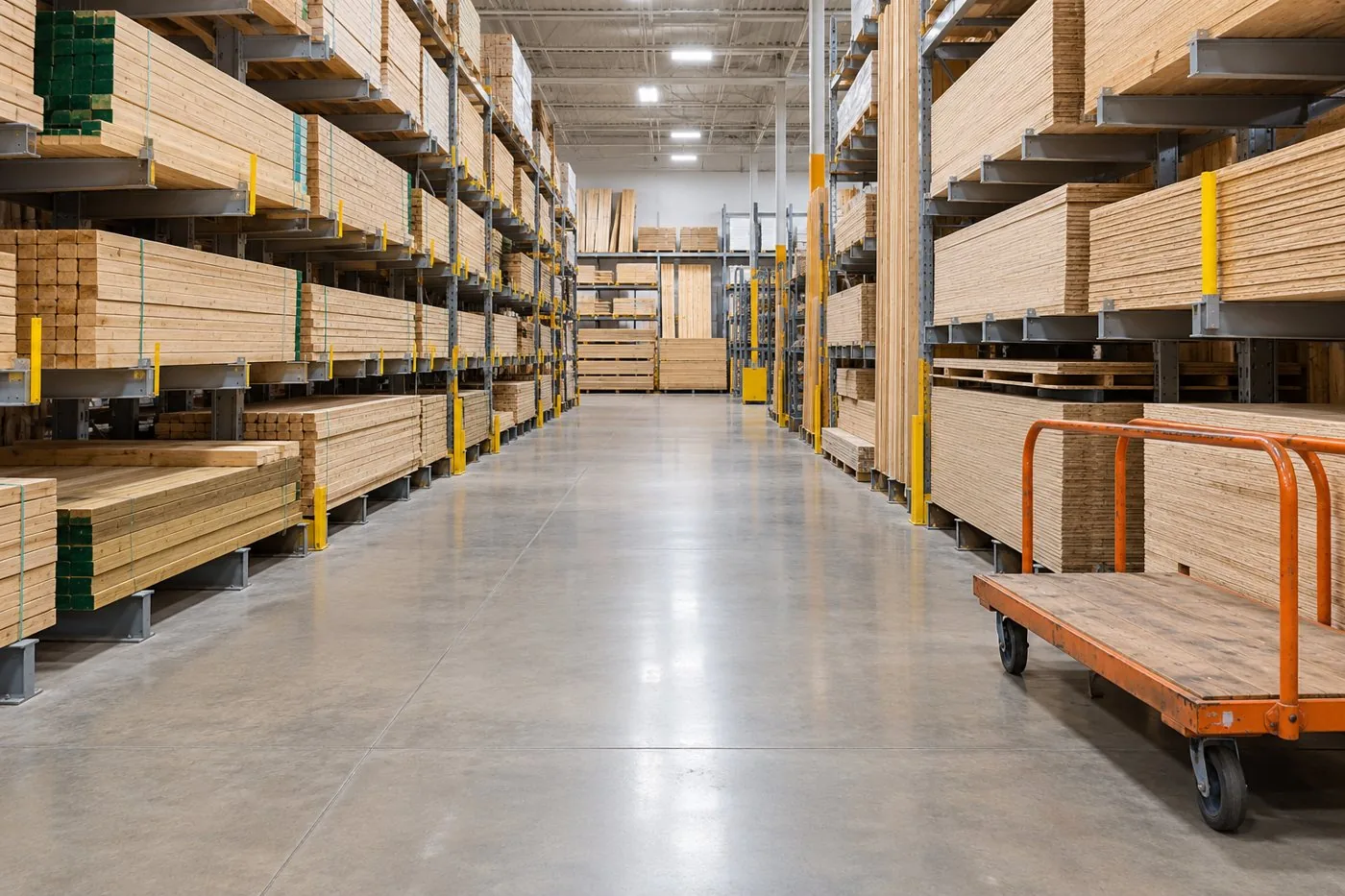
11. A worked evidence audit
This hypothetical involves a clear spill beside a merchandise display and isn't an allegation about any actual Home Depot store.
Hypothetical fact | Detail |
|---|---|
Reported fall time | About 4:10 p.m. |
Employee | Recalls checking the aisle. |
Companion | Photographed liquid after the fall. |
Video | The available clip begins at 4:09 p.m. |
Injury | A wrist fracture. These facts open several paths but don't yet establish liability. |
Issue | Available material | Verification needed |
|---|---|---|
Mechanism | Shopper account and fracture | Foot movement, scene context, and competing causes. |
Condition | Companion photograph | Original file, location, timing, and changes after the fall. |
Notice | Employee recollection | Actual inspection time, route, view, and recorded result. |
Duration | One minute of footage | The earlier interval and whether the floor was visible. |
Causation | Wrist records | Mechanism compatibility, baseline, and treating opinion. |
Control | Store address | Operator identity and relevant responsibilities. |
The full recording can change the theory in either direction.
If the full recording shows | Effect on the case |
|---|---|
A customer drops a bottle at 4:09:40 p.m., and the fall comes 20 seconds later. | This materially changes a constructive-notice theory and may require looking at actual knowledge or other legally supported conduct. The plaintiff shouldn't keep describing an hour-long spill. |
The same visible liquid at 3:48 p.m. | The longer interval requires analysis of visibility and discovery opportunity, not an automatic liability conclusion. |
The audit should record what changed, why, and what evidence is still missing.
Discipline | Benefit |
|---|---|
Keep adverse facts in the internal assessment. | A strong lawyer doesn't preserve only favorable versions of the analysis. |
Discuss them candidly with the client. | Decisions about filing, expert spending, and settlement improve. |
Explain gaps to referral partners. | It shows why a seemingly serious case needs further investigation. |
12. Use metrics that describe evidence
A case dashboard should describe the evidence, and it should never manufacture scientific certainty. S2
Dashboard entry | What to record with it |
|---|---|
Verified last inspection | The source, the clock it relies on, and how uncertain the time is. |
First reliable observation of the condition | The source, the clock basis, and the uncertainty. |
Event time and the store's response | The source, the clock basis, and the uncertainty. |
A stretch with no inspection | A note that the gap alone does not prove a spill existed for that whole period. |
A timestamp without a source, a clock basis, and an uncertainty range can create a misleadingly precise chronology.
Hypothetical garden-center walkway | Time | What it measures |
|---|---|---|
Inspection record | 2:00 p.m. | The last recorded inspection, subject to how the record was made. |
Video first reliably shows liquid | 2:18 p.m. | The start of the supported observation interval. |
Customer falls | 2:26 p.m. | Eight minutes of supported observation, subject to clock and image limits. |
Time since the inspection | 26 minutes | A different measure. Neither figure is a universal Texas notice threshold, and reasonableness still depends on the proved circumstances. |
Completion counts belong on an internal tracker, and they need careful labels.
Count | What it means | What it does not mean |
|---|---|---|
Counsel identifies ten relevant camera views and receives four | The record is 40% complete by camera count. | It is not 40% persuasive or 40% likely to win. |
One missing angle against six produced views | The missing angle may matter more than all six. | The dashboard should name the unresolved issue so a number does not replace legal judgment. |
Damages figures need the same discipline. S8 S9
Keep separate | Why |
|---|---|
Billed charges and amounts paid or incurred | They are different figures under Texas law. |
Disputed causation, lost earnings, and supported future needs | Each needs its own proof. |
A "three times the medical bills" settlement figure | Do not use it. This guide has no verified representative Home Depot Texas settlement dataset. |
Settlement scenarios | Use disclosed assumptions and compare projected net results after costs and reimbursement obligations. |
Procedural dates go on a separate track from evidence dates.
Milestone | What it does not prove |
|---|---|
Preservation letter delivered | A letter sent is not a hold confirmed. |
Actual acknowledgment received | An acknowledgment is not production. |
Report requested | A report requested is not a report obtained. |
Witness contact, expert designation, and motion deadlines | Each date shows the client what has actually been done and shows counsel what work remains. |
13. Limitations and service need their own calendar
Texas personal-injury claims are generally subject to a two-year limitations period under section 16.003. S3
Issue | How to handle it |
|---|---|
Accrual, legal disability, and other exceptions | They require case-specific analysis. |
An incident report, preservation letter, or negotiation | None of these starts a lawsuit or necessarily extends the deadline. |
The calendar entry | Record the earliest plausible deadline and the legal basis for any proposed exception. |
An exception nobody has evaluated | Do not build the case plan around it. |
Filing near the deadline leaves little room to fix mistakes, process failures, or disputes about which entity is the right defendant.
Service task | Practical point |
|---|---|
Identify defendants and service information early | Late filing magnifies any error in entity identity. |
Diligent service | Counsel must consider diligence and the consequences of delay. |
Service file | Keep attempts, returns, correspondence, and follow-up dates in one place. |
A document marked "sent" | It is not evidence that service was completed on the correct defendant. |
Related deadlines do not always move together.
Situation | What a family should not assume |
|---|---|
A child is injured | Tolling may apply, but derivative or separate claims and approval procedures can raise additional issues. Not every related deadline stops. |
New symptoms appear months later | Later-discovered symptoms do not automatically restart limitations. Counsel should separate medical developments from the legal accrual analysis. |
Calendar controls are not glamorous, but no persuasive demand letter can revive a viable claim lost to avoidable delay.
Reader | Instruction |
|---|---|
Injured shopper | Ask for a deadline review promptly and keep your correspondence. |
Practitioner | Assign an owner to every limitations and service task, verify completion independently, and document contingencies. |
14. Venue and federal removal
The proper court depends on jurisdiction, venue, parties, amount, and other governing rules.
Venue question | What to check |
|---|---|
Accident county | It is often important, but counsel must analyze the applicable venue statute and the actual facts. |
Client's residence | Do not assume it controls venue. |
Property control and entity information | Review both before filing. |
State or federal court | Procedures for pleading, discovery, and motions differ even when Texas premises law supplies the liability standard. |
A retailer may seek removal when federal jurisdiction and removal requirements are met, so a state filing does not guarantee the case stays there. S10
Removal issue | Practical point |
|---|---|
Citizenship, amount in controversy, and timing | Analyze them under federal law. |
Corporate citizenship | Do not assume a corporation is a citizen only where it has a store. |
Adding a defendant | A plaintiff should not add an unsupported defendant to manufacture a jurisdictional obstacle. |
After removal | Review the federal docket immediately for scheduling, disclosures, local rules, electronic filing, and any required motion response. |
State deadline habits | Do not carry state deadlines into federal practice. |
Remand | Distinguish procedural from jurisdictional grounds and calendar the applicable deadlines. This guide supplies no universal removal calculation; the statute and the case posture control. |
Removal changes where and how the dispute proceeds, not whether the injury is real or the claim valid.
A family can ask | Why it helps |
|---|---|
"Will this mean more travel?" | It ties the procedural change to a practical burden. |
"How will depositions work now?" | Federal logistics can differ from state practice. |
"What does this do to timing and expense?" | The client needs this for decisions, and a forwarded docket notice without context does not explain it. |
15. Plead the facts and plan proportional discovery
The petition should describe a supported occurrence, the parties' roles, and the relief sought under the applicable pleading rules.
Pleading choice | Weak version | Stronger version |
|---|---|---|
Allegations | A catalogue of accusations with no link to the evidence. | The location, mechanism, and basis for the duty, stated with the specificity the forum requires. |
Alternative theories | An alternative allegation used to ignore an inconsistent record. | Legitimate alternatives kept where uncertainty remains, with an internal note on what evidence would support each. |
Texas civil procedure changed in 2026, including summary judgment practice. S6
Calendar task | Practical point |
|---|---|
Disclosures, discovery level, and expert deadlines | Set them from the current rules and the court's orders. |
An old deadline chart | Do not reuse it without checking amendments and transition provisions. |
The litigation calendar | Identify the rule version and applicability reviewed, not only a rule number copied from a prior case. |
Discovery should start with evidence that can disappear and issues that can decide the case.
If the dispute is | Ask for this first | Leave for later |
|---|---|---|
Notice | Video coverage, prior reports, and the relevant inspections. | Remote corporate history. |
Control of an exterior walkway | Contracts and maintenance responsibilities. | Depositions about damages unrelated to control. |
Either one | Sequencing that saves money and exposes a case-dispositive weakness early enough for informed advice. | Broad requests that do not answer the open question. |
Meet-and-confer efforts should identify the actual disagreement before anyone alleges concealment.
Response received | Focused follow-up |
|---|---|
"No records were found." | Ask whether the search used the right date range, system, custodian, and entity. |
The dispute persists | Show the court the request, the response, the clarification efforts, and why the material matters. |
The urge to argue that a large retailer must have more documents | A concise record of a real issue is stronger than that broad accusation. |
16. Document requests that follow the evidence
Request incident materials by event, store, date, and relevant custodian.
Record category | What to ask about it |
|---|---|
Incident report and attachments | How the record is maintained and what fields it has. |
Contemporaneous photographs and relevant video | The originals and how they were collected. |
Inspection documentation | The defined interval and why it matters. |
Maintenance work orders | Entries about the identified condition. |
Communications about the condition | The sender, the recipient, and when each message was sent. |
A paper printout versus a native database export | The printout may omit timing or authorship metadata, and the export may need an explanation of field meanings. |
Inspection and prior-incident requests need defined limits.
Request | Problem or fix |
|---|---|
Years of every inspection nationwide | It invites relevance and burden disputes. |
Inspections for a defined interval | Explain why that interval matters to notice or to an alleged recurring source. |
Earlier similar events | Define similarity by location, mechanism, cause, and notice purpose. |
A different customer's unrelated injury | It does not show that this store knew of this condition. |
Electronic communications requests should begin with plausible custodians and systems.
Hypothetical message | Relevance |
|---|---|
A store manager's 1:40 p.m. message about a leak at the garden-center watering station | Likely relevant business communication. |
National marketing email | Unlikely to bear on the condition. |
Employees' personal material | Do not demand it indiscriminately. |
Confidential records | Use appropriate protections. A protective order should allow relevant discovery and still let counsel use admissible information through permitted procedures. |
A production log turns an apparent gap into a precise question.
Log entry | Follow-up |
|---|---|
Source, date, format, completeness, and follow-up | Record each item when it arrives. |
Bates-numbered pages refer to an attachment that is absent | Identify the missing attachment precisely. |
A filename suggests several video channels but only one arrived | Ask what the naming convention means. |
An unfamiliar filename | Do not infer missing evidence from it alone. Clarification can resolve the dispute or support a more accurate motion if refused. |
17. Depositions of employees and organizational representatives
Separate what a witness personally knows from what the organization knows. S6 S11
Witness | Likely knows | May not know |
|---|---|---|
Cashier | What was seen and reported. | How the video system retains files. |
Store manager | The response to the fall. | The terms of the maintenance contract. |
Organizational representative | Topics designated and prepared under the governing procedure. | Texas Rule 199.2(b)(1) and federal Rule 30(b)(6) are related tools, not interchangeable notices. |
Deposition topics should come from unresolved questions.
Topic | What to cover |
|---|---|
Inspections | Who was assigned, how completion was recorded, and what the witness can establish about the relevant period. |
Cameras | The system, views, retention settings, exports, and searches. |
Control | Contracts, actual practice, and authority to repair or warn. |
Drafting | Reasonable particularity improves preparation and makes an inadequate response easier to spot. |
Documents should test recollection without turning every question into argument.
Step | Example |
|---|---|
Establish role and foundation first | In a hypothetical, ask "What was your job on the morning of March 4?" before showing a 10:15 a.m. inspection entry. |
Ask what the record means | How it was created, what it shows, and what it does not show. |
The witness cannot read a field | Identify the right custodian. An honest limitation beats forcing the wrong witness to guess. |
Client preparation centers on truthful listening and careful answers.
Preparation point | Why |
|---|---|
Separate memory from inference | "I saw the strap after I fell" differs from "the strap tripped me." |
Review prior statements and records | Surprises can then be explained honestly. |
No scripted answers | Never script an answer inconsistent with the client's recollection. |
Uncertainty and pauses | Uncertainty is acceptable, and pausing to understand a question beats adopting a lawyer's premise reflexively. |
18. Authentication and admissibility as a separate workstream
Possessing an exhibit does not guarantee it will be admitted. S7
Question for every exhibit | Example |
|---|---|
What foundation supports authenticity? | A witness or a certification. |
For what purpose is it offered? | Notice, timing, or the condition's appearance. |
Is there a hearsay issue? | A business-record foundation does not automatically admit every statement embedded in a report. |
Do parts of one document raise different issues? | An employee observation, a customer's quoted statement, and a later legal conclusion can each present a different evidentiary question. |
Each exhibit type has its own foundation route.
Exhibit | Foundation and labeling |
|---|---|
Photograph | The photographer, or a witness who can say it fairly depicts the scene. |
Video | The system or another appropriate authentication route, the export, and any changes made. |
Diagram | Separate an illustrative aid from a reconstruction offered as substantive proof. |
Edited demonstrative | Label edits, enlarged areas, and speed changes so the jury does not mistake a teaching aid for an untouched original. |
Subsequent measures and insurance information require careful treatment under the applicable evidence rules.
Material | Treatment |
|---|---|
A photo of cleanup after the fall | It may have legitimate uses but is not automatically proof of earlier negligence. |
Liability-insurance evidence | It is generally not a proper shortcut to showing fault. |
Either item | Identify a permitted purpose and seek a ruling where needed, rather than offering prejudicial material and hoping an instruction cures it. |
Build an exhibit foundation chart before trial.
Column | Purpose |
|---|---|
Source and sponsoring witness | Shows who can lay the foundation. |
Anticipated objections and responses | Prepares the argument in advance. |
Court ruling | Records the result. If an item is excluded, preserve its substance and purpose through the applicable procedure. |
Later use | A complaint in closing cannot repair a record never made, and the chart also strengthens summary judgment and mediation materials. |
19. Choose experts by the question they can answer
Expert spending should follow a disputed issue, and credentials alone do not show that a discipline can answer the specific question.
Disputed issue | Possible expert | What to ask first |
|---|---|---|
Surface traction at the garden-center walkway | Floor-safety specialist | What data the expert needs and whether those data can be obtained. |
Rack or threshold geometry | Engineer | Whether measurements from the incident period exist. |
Injury causation | Physician | Whether baseline records are available. |
Work capacity | Vocational professional | What restrictions the treating records actually state. |
A floor-friction opinion requires more than a number.
The expert should explain | Why |
|---|---|
Method, equipment, and calibration | The opposing side and the court can test them. |
Surface, contaminant, and footwear assumptions | The test must relate to the event. |
A clean-floor test months later | It may have limited value. |
Conditions that cannot be recreated | Which conclusions remain supportable and which do not. A transparent limit is better than unexplained certainty. |
Medical opinions should separate diagnosis, causation, prognosis, and treatment recommendations.
Issue | Practical point |
|---|---|
An imaging abnormality | It may predate the fall, while a symptomatic change still needs analysis. |
Records to provide | Baseline records and contrary information. |
A useful opinion | It explains mechanism and chronology instead of repeating that the patient blames the fall. |
Before designation, examine reliability, fit, scope, and disclosure requirements in the governing forum. S7 S11
Designation check | Practical point |
|---|---|
State or federal standard | Analyze state and federal standards and procedures separately. |
Legal conclusions | Do not ask an expert to say Home Depot was negligent or had notice. |
Proper role | The expert explains technical facts, the court supplies the law, and the factfinder resolves disputed facts. |
20. Medical causation and preexisting conditions
A careful medical chronology begins before the fall.
Chronology stage | What to document |
|---|---|
Before the fall | Prior symptoms, treatment, restrictions, and functioning. |
After the fall | The post-event course, emergency records, imaging, treatment notes, and referrals. |
Provider analysis | Whether the evidence shows a new injury, an aggravation, a temporary exacerbation, or unrelated progression. |
A preexisting condition does not automatically defeat a claim, and a later diagnosis does not automatically make the fall responsible.
Causation trap | Better practice |
|---|---|
Treating timing as proof | A symptom after the incident may fit the mechanism but still needs analysis of alternative causes. |
Quoting only favorable phrases from conflicting records | Ask the provider to clarify. A balanced history makes the causation opinion more persuasive. |
Treatment gaps need a factual explanation.
Situation | How to handle it |
|---|---|
Insurance barriers, appointment availability, transportation, or competing health concerns | Document the actual reason without implying every gap is harmless. |
Regular treatment | It does not prove every charge or procedure is attributable to the fall. |
Overall analysis | Keep it tied to clinical evidence and the person's actual course. |
The injured person and counsel have different jobs.
Reader | Task |
|---|---|
Injured reader | Describe symptoms accurately, disclose prior problems, and follow medical advice. Do not request procedures to raise claim value or hide improvement. |
Counsel | Obtain a defensible medical explanation and present it clearly. The medical and damages article covers records, future care, and net recovery in more depth. |
21. Prove damages by category
Organize medical expenses by provider, date, service, payment status, and evidentiary foundation. S8 S9
Rule | What it does | What it does not do |
|---|---|---|
Section 41.0105 | Limits recovery of medical expenses to amounts actually paid or incurred. | Billed charges and amounts paid or incurred should be tracked separately. |
Section 18.001 | Provides a mechanism concerning reasonableness and necessity. | It does not itself establish causation. |
Both | Review the current text, deadlines, and controlling decisions. | A stack of bills does not prove every damages issue. |
Lost income needs a work history and a supported calculation.
Claimant | Records | Avoid |
|---|---|---|
Hourly employee | Payroll, schedules, missed-time records, and employer confirmation. | Estimates from memory. |
Self-employed contractor | Business records showing revenue, expenses, capacity, and replacement labor, plus tax material where appropriate. | Multiplying missed days by gross sales and calling it lost earnings. |
Either | Stated assumptions, with documented past loss kept separate from projected future effects. | Blending past and future figures. |
Future damages require evidence of likely needs and effects.
Expert | Must connect | Cannot do |
|---|---|---|
Life-care planner | Each proposed service to medical recommendations and reasonable assumptions. | Invent needs no provider supports. |
Vocational expert | Actual restrictions to realistic work alternatives. | Assume restrictions that are not documented. |
Economist | A supported scenario to a calculated figure. | Create the medical restriction or the employment premise. Every figure needs a chain back to source evidence. |
Noneconomic harm should be shown through concrete experience under the applicable legal standards.
Stronger presentation | Weaker presentation |
|---|---|
Specific changes in sleep, mobility, independence, family activities, and adaptation, with care to avoid overlap between categories. | An arbitrary multiplier, a demand based on the defendant's wealth, or a formula detached from the record. A large number becomes defensible through reasoned evidence, not repetition. |
22. Comparative responsibility and open and obvious conditions
A retailer may argue that the shopper missed the path, wore unsuitable footwear, or used a phone.
Defense argument | Investigate |
|---|---|
"She was on her phone." | A phone visible in a hand does not prove the person was reading it. |
"His sandals were worn out." | A later photograph of shoes may not show their condition at the time of the fall. |
Any conduct argument | Obtain objective evidence and ask whether the conduct actually contributed to the mechanism. |
Texas proportionate-responsibility law generally bars recovery when the claimant's share exceeds 50% and reduces an otherwise recoverable claim by the claimant's assigned share. S12
Hypothetical arithmetic | Amount |
|---|---|
Damages finding | $200,000. |
Claimant's assigned responsibility | 20%. |
Result before other applicable adjustments, fees, expenses, and reimbursement issues | $160,000. This is arithmetic, not a forecast of a Home Depot case. |
Open-and-obvious duty questions are separate from fault allocation. S13
Point | Practical meaning |
|---|---|
Austin v. Kroger | It addresses the general rule and limited exceptions, including necessary use in appropriate circumstances. |
A visible condition | Do not assume it eliminates duty, and do not assume every shopper can invoke an exception. |
Record to build | The actual approach, visibility, knowledge, alternatives, and what the defendant could reasonably anticipate. |
A fair assessment can acknowledge the client's conduct while contesting how much fault it carries.
Hypothetical fact | Candid approach |
|---|---|
The client saw a pallet partly blocking the lumber aisle | Ask why that route was taken and what alternatives existed. |
Video shows the client looking at the pallet | Do not coach a denial. A candid, scene-supported explanation holds up better than an absolute position that collapses on cross-examination. |
23. Prepare for summary judgment before it is filed
A no-evidence motion can expose a case with compelling injury proof but thin evidence of notice or causation.
Task during discovery | What it looks like in a hypothetical garden-center case |
|---|---|
Keep an element-by-element inventory | List notice, causation and damages, and name the witness or document that supports each one. |
Test admissible form | Ask whether the companion's photo of standing water can come in through the companion who took it. |
Mark what remains uncertain | Note that no record yet shows when the water first appeared near the watering station. |
Avoid the general plea | "The jury should decide everything" does not create a material fact dispute without evidence behind it. |
Current Texas Rule 166a was rewritten in 2026, and the calendar rules changed with it.
Rule 166a point | What counsel should do |
|---|---|
Response deadline | The reviewed text generally requires a response within 21 days after the motion is filed, subject to leave or agreement. S6 |
Unavailable evidence | The rule addresses requests for more time when essential evidence is unavailable. |
Old habits | Do not use the older seven-days-before-hearing response convention as a default calendar. |
Transition | The March 1, 2026 amendments apply only to summary judgment motions filed on or after that date. S17 |
Case-specific check | Verify applicability, transition rules and any orders in the actual case before calendaring. |
Answer the grounds the motion actually raises, with exact exhibit references.
If the motion says | A focused response |
|---|---|
There is no evidence of notice | Cite the specific timeline evidence and explain the inference it permits. |
An established defense applies | Address each element of that defense against the competing record. |
The record is too thin | Use exact exhibit cites and properly supported declarations, not a 400-page appendix with no map to the argument. |
Incomplete discovery needs a precise explanation through the applicable procedure.
Weak request | Stronger request (hypothetical) |
|---|---|
"We need more discovery." | "We requested the 3:30 to 4:10 p.m. export for the lumber aisle camera and need custodian testimony to learn whether the strap was on the floor during that earlier interval." |
Objections noted only in a trial outline | Preserve objections and obtain rulings as the rules require. |
Treating federal court like state court | Federal Rule 56 follows a different procedural framework and must be calendared separately. S11 |
24. Evaluate settlement with a documented risk model
Settlement analysis connects recoverable damages, liability strength, evidence risk, expense, timing and the client's priorities.
Practice | Why it matters |
|---|---|
State the assumptions behind each scenario | A range is useful only when the reader can see what drives it. |
Do not call an internal estimate a statistical prediction | That label requires a validated method and suitable data. |
Do not treat published verdicts as a dataset | Published verdicts and confidential settlements do not form a complete or representative Home Depot dataset. |
Take a hypothetical planning model with a supported damages range of $100,000 to $180,000, disputed notice, $15,000 of further expense and uncertain trial timing.
Use of those figures | Assessment |
|---|---|
Identifying the decisions ahead | Helpful, because each figure points to a choice the client must make. |
Multiplying an invented win probability by $180,000 | This does not produce an objective case value. |
Showing how a new export or deposition could move the recommendation | This is the point: informed judgment, not numerical decoration. |
Net recovery should be calculated separately from the gross offer.
Item to identify | Example of the question to answer |
|---|---|
Fee agreement | What does the signed agreement say about the fee on this offer? |
Reimbursable costs | Which case expenses are repaid from the settlement? |
Medical balances and potential liens | Which providers or plans claim reimbursement, and has each amount been verified through appropriate channels? |
The client's expectation | An offer described as "six figures" may produce a materially different amount after deductions, so give written illustrations labeled as estimates until obligations are resolved. |
The client decides whether to accept a settlement.
Counsel should | Counsel should not |
|---|---|
Explain realistic alternatives, unresolved risks and the expense of continuing. | Push acceptance through exaggerated fear of trial. |
Give a clear written evaluation the client can ask questions about. | Push rejection through unsupported promises of a much larger verdict. |
25. Build a mediation presentation that can survive scrutiny
The mediation brief should open with the real disagreement, because that is what the mediator and opposing lawyer are pricing.
If the dispute is | Lead with |
|---|---|
Duration of the hazard | The timeline and the reliability of each source behind it. |
Medical causation | The baseline, the fall mechanism and the treating opinion. |
Everything except the key element | Nothing about Home Depot's corporate size will fill an unanswered element, so do not spend the brief there. |
A few decisive exhibits usually do more than a slideshow of every treatment note.
Stronger exhibit set | Weaker exhibit set (hypothetical) |
|---|---|
A timestamped report, a properly contextualized video sequence and a supported medical explanation. | Every chart note from eighteen months of therapy. |
Unfavorable evidence named and explained. | Unfavorable evidence left out, even though the opponent already has it. |
Prepare the client for the day itself.
Topic | What to cover |
|---|---|
Process and confidentiality | How sessions work and what confidentiality issues apply. |
Attendance and authority | Who attends, who decides and how breaks are used. |
Evaluating proposals | How each number will be weighed, including emotional reactions to a low opening. |
Expectations | Mediation may not resolve the case, and the opening number does not predict the final range, though a session can still identify a missing fact or narrow an issue. |
A headline dollar amount is not the complete agreement.
Term to address | Example question |
|---|---|
Scope of release | Which claims and which parties does it cover? |
Payment timing | When will funds actually arrive? |
Liens | How will verified reimbursement claims be paid? |
Confidentiality | What may the client say afterward? |
Minors or court approval | Does any part of the settlement need court approval? |
Client understanding | Review the written terms before assent through the applicable process and explain them in plain language. |
26. Voir dire should reveal bias without demanding a verdict
Jury selection starts with the law and the court's limits.
Goal | Limit |
|---|---|
Identify disqualifying bias and attitudes that could affect fair consideration. | Do not ask a prospective juror to promise a liability finding or a damages amount on selected facts. |
Use a proposed question in court. | Review commitment-question law, local practice and the judge's procedures first. |
Useful topics include personal responsibility, corporate defendants, injury claims, invisible pain, prior back problems and the line between an accident and legal responsibility.
Closed question to avoid | Open question to try |
|---|---|
"Does everyone agree that safety matters?" | "What concerns do you have about evaluating an injury claim against a retail business?" |
"Would you award money if the evidence showed a spill sat for twenty minutes?" | "Could you evaluate supported medical evidence about aggravation even though the person had a preexisting condition?" |
Follow up on each answer instead of delivering a speech.
Juror answer | What the record should show |
|---|---|
"I'm skeptical of lawsuits, but I'd listen to the evidence." | A general attitude that may not prevent applying the court's instructions. |
"No customer should ever recover for a fall, no matter the proof." | A possible fixed, disqualifying bias, with a clear answer on the record. |
A challenge for cause | Preserve the challenge and the ruling under the governing procedure, and never characterize a juror unfairly to manufacture cause. |
A ready-made question list | The trial cluster offers an issue-based question bank for attorney adaptation, not a script guaranteed to be permitted. |
27. Present a clear trial theory grounded in the charge
A useful trial theme describes a specific, preventable failure that the record can test.
Theme | Assessment |
|---|---|
"The report reached the manager before the fall, and the aisle remained open." | Testable against the report time, the manager's testimony and the video. |
"Every fall is preventable." | Broader, less reliable, and an invitation to fight over facts outside the case. |
Read the expected jury questions before finalizing witnesses.
Witness | Proper role |
|---|---|
Floor-safety expert | Surface conditions and testing, not how the client experienced pain. |
Family member | Changes in daily life, not a technical engineering opinion. |
Any witness | Facts within that witness's knowledge, never the legal question assigned to the jury. |
The whole lineup | Coordinated medical, technical and lay testimony that covers the proof needed for each submission in an understandable order. |
The opening should preview admissible evidence and acknowledge genuine uncertainty.
Opening element | Guardrail |
|---|---|
Scene orientation and chronology | Keep it simple and tied to exhibits that will come in. |
The decision the jury will make | Explain it without arguing excluded matters. |
Demonstratives | Show their source and limits. |
An animation built on assumptions | Label the assumptions and obtain the appropriate ruling before presenting it as a reconstruction. |
Courtroom preparation for an injured client includes practical matters.
Topic | What to explain |
|---|---|
Logistics | Travel, breaks, accommodations and how exhibits are displayed. |
How testimony proceeds | Truthful answers may be shorter than the full story the client wants to tell. |
The client's role | Answer accurately; other evidence and witnesses supply context, and the lawyer gives the closing argument. |
28. Direct examination and cross-examination
Direct examination should lay foundations and let witnesses explain what they know.
Witness | Order of questions |
|---|---|
Fact witness | Position and opportunity to observe, then the actual sequence. |
Treating provider | History, findings, diagnosis, causation and prognosis, each kept separate. |
Expert | Qualifications for this specific issue, then method, then conclusions, without a long résumé that leaves the reasoning unexplored. |
Cross-examination should target one identified proposition at a time.
Witness position | Controlled line of questioning |
|---|---|
An employee says the garden aisle was inspected at 2:00 p.m. | Ask what establishes the time, the route walked and what the employee could see, rather than accusing the witness of not caring. |
A video custodian cannot identify the export settings | Establish that gap and find out who can answer. |
A defense expert tested a different surface or omitted the contaminant | Show why that difference matters to the opinion, without implying every paid expert is dishonest. |
Apply the same test to your own experts before trial: does the reasoning fit the evidence and the conclusion offered?
Legitimate weakness | Honest rehabilitation |
|---|---|
The client gave an approximate time at the store. | The client explains the basis for the estimate and the later correction. |
A witness did not see the precise contact. | The witness describes the condition seen immediately afterward. |
A gap in the record | Leave it as a gap; expanding testimony beyond its foundation hurts more, because jurors trust a limited, honest account over sudden total recall. |
29. Jury instructions, verdict forms and preservation
The proposed charge should reflect the supported claims, parties and damages categories.
Charge practice | Reason |
|---|---|
Review current law, applicable pattern materials and the actual record. | A form copied from a different retailer case can omit a controlling distinction or submit an unsupported theory. |
Draft early. | Discovery and witness preparation can then fill missing proof; charge work tests the case and is not a task for the final afternoon. |
Overlapping damages categories need care to avoid duplicate recovery.
Category | Example evidence | Caution |
|---|---|---|
Physical impairment | A witness says the client can no longer garden. | Connect it to the proper submission. |
Pain and mental anguish | Treatment records and the client's account. | These involve distinct inquiries from impairment. |
Disfigurement | Photographs of scarring. | Explain each category only in the terms the court permits, without inviting payment twice for the same loss. |
Complaints about the charge must be preserved through timely, specific requests, objections and rulings.
Type of problem | Example |
|---|---|
Omitted question | No question submitted on a supported theory. |
Incorrect instruction | A definition that misstates the applicable standard. |
Unsupported submission | A question with no evidence behind it. |
Defective form | A verdict form that cannot be answered consistently. |
Proof that preservation happened | A note in counsel's trial outline does not show that a request reached the judge or that a ruling occurred; the appellate issue depends on the governing preservation rules and the record made. |
Excluded evidence also needs a record.
Step | Purpose |
|---|---|
Use the proper method to place the excluded evidence's substance and purpose in the record. | Makes later review possible. |
Preserve confidentiality and do not violate the ruling in front of the jury. | Protects the trial. |
Document exactly what part of a limited expert opinion was excluded and how that affected the presentation. | Lets counsel advise the client about posttrial options without relying on memory. |
30. Closing argument and a reasoned damages request
Closing should connect admitted evidence to the questions actually submitted.
Evidence shows | Closing should say |
|---|---|
An interval, such as somewhere between 2:18 and 2:26 p.m. | An interval, not an exact duration. |
A witness confirmed only that a report was received. | That the report was received, not that the witness admitted liability. |
Any exhibit | What the exhibit says, because jurors can compare counsel's words with it, and exaggeration undermines sound proof. |
A damages request should explain its basis within the governing law.
Category | Approach |
|---|---|
Past expenses, future care and earnings | Analyze separately, with supported calculations where calculations fit. |
Noneconomic categories | Use evidence-based reasoning where arithmetic does not capture the issue. |
Amounts to avoid | Any figure chosen because the defendant is large or because an unrelated verdict drew publicity. |
Anticipate defense points directly.
Defense point | Answer from the evidence |
|---|---|
The plaintiff was carrying a phone. | Show what the evidence says about its actual use at the time. |
The plaintiff had prior treatment. | Explain the baseline and the supported change. |
A camera view was limited. | Do not ask jurors to imagine what the missing view must have shown; draw permissible inferences from admitted evidence, not indignation. |
The verdict announcement is not necessarily the final collectible amount.
After the verdict | Why |
|---|---|
Obtain and review the actual answers before discussing consequences. | Fault allocation, offsets, legal limits, interest and costs may affect the judgment. |
Preserve necessary motions and deadlines. | Posttrial rights depend on them. |
Explain timing to the client. | The verdict date is not the payment date, and a careful posttrial explanation is part of representation. |
31. Net recovery and reimbursement obligations
A client deciding whether to settle needs an understandable estimate of the money left after applicable deductions.
Step | Detail |
|---|---|
1. Start with the proposed gross amount. | Use the actual offer, not a demand figure. |
2. Apply the actual fee agreement. | Use the signed contract's terms. |
3. Identify reimbursable case expenses. | List each expense and its amount. |
4. Analyze medical balances and reimbursement interests. | These may include governmental, health-plan or other claims; do not label every bill a lien or assume an asserted amount is enforceable at face value. |
This hypothetical shows the arithmetic only; it does not state Aaron Herbert's fee percentage or promise a net result.
Line item (hypothetical) | Amount |
|---|---|
Gross settlement | $120,000 |
Assumed fee | −$40,000 |
Reimbursable expenses | −$8,000 |
Resolved reimbursement obligations | −$12,000 |
Illustrative remainder | $60,000, which changes if any assumption changes; the actual contract and resolved obligations govern. |
Future treatment can matter even when the settlement does not pay a provider directly.
Situation | Consideration |
|---|---|
Ongoing care is expected. | Discuss how care, insurance and benefit eligibility may interact with the resolution. |
The client receives public benefits, is a minor or is considering a structured arrangement. | Specialized advice may be appropriate, so the decision fits the client and not a generic worksheet. |
Keep the final accounting clear and explain the economics throughout the case.
Accounting practice | Effect |
|---|---|
Identify each deduction, the authority for it and any funds held pending resolution. | The client can see where every dollar goes. |
Give the client a chance to ask questions before distribution through appropriate procedures. | Avoids conflict when a client first learns about expenses or reimbursement at the end. |
32. How to evaluate Aaron Herbert for this case
Aaron Herbert's State Bar profile identifies his Texas license and his board certification in Personal Injury Trial Law. S1
What the credential is | What it is not |
|---|---|
A qualification a prospective client can verify directly, not a badge to take on faith. | A guarantee of any recovery. |
A concrete reason to consider Aaron for a case requiring expert proof and trial preparation. | A claim of Home Depot-specific victories, confidential settlements or a unique relationship with the retailer, none of which this guide attributes to him. |
Ask how the attorney would investigate your particular gap.
Your gap | Question to ask |
|---|---|
The video is missing. | What other timing evidence could matter? |
You fell outside the garden center or on the entrance walk. | How would control of that area be established? |
You had prior treatment. | How would medical causation be evaluated? |
Any answer you receive | Does it explain a method and its limits? An assurance that a large retailer will pay because counsel is aggressive is no substitute. |
Then ask how the representation will work.
Topic | Question |
|---|---|
Staffing | Who handles significant depositions, expert selection and trial preparation? |
Decisions | How is settlement authority handled, and how are decisions communicated? |
Money | What fee and expense terms appear in the written agreement? |
Updates | How will the firm report important developments, and how can you raise concerns? |
Board certification can be a sound reason to include Aaron in your evaluation, particularly where litigation competence matters, but the reason to retain any lawyer is confidence in that lawyer's qualifications, judgment, communication and approach to your facts.
Next step | What to send |
|---|---|
Request an evaluation through the Law Firm of Aaron A. Herbert, P.C. | Supply what you have and explain what remains unavailable. |
33. A sample practitioner work plan
This illustrative sequence is not a promised schedule or a claim that every case needs every task.
Phase | Work |
|---|---|
Initial assessment | Document the event, identify immediate preservation needs and review limitations. Assign follow-up for missing witness contacts and medical records, and record the client's objectives and any urgent practical concerns affecting communication or access to care. |
Focused investigation | Map control, obtain reliable scene sources and test the notice theory. Identify records that may sit with the store, landlord, maintenance provider or witnesses, and decide whether an expert can answer a genuinely technical question with available data. |
Before a major expense or filing | Review the evidence with the client so no recommendation rests on an untested assumption. |
After suit | Use the court's schedule to sequence disclosures, document discovery, depositions and expert work. Keep a live list of elements with insufficient evidence, and raise discovery disputes in time to obtain relief before dispositive deadlines. |
Ongoing | Update the settlement assessment as the record changes, instead of discovering at mediation that the original demand relied on an unsupported premise. |
Before trial | Resolve exhibit foundations, motions, witness availability, the proposed charge and preservation issues. Prepare the client and lay witnesses for truthful testimony, and check every demonstrative against its sources. |
After resolution | Address judgment, release, payment, reimbursement and accounting. Each phase should leave a concrete record of decisions, responsibilities and open questions. |
34. Research controls for Home Depot data
Every factual statement in a Home Depot litigation resource needs a stated scope.
Source | What it can describe | What it cannot prove alone |
|---|---|---|
A published opinion | The record in that one dispute. | How other stores operate or how a new incident happened. |
A retailer policy | An intended process, once the applicable version and location are established. | That workers followed it on the incident date. |
A service ticket for one garden watering station | Work on that piece of equipment. | A pattern across every Texas store. |
Keep dates, entity names, equipment identifiers, and the difference between allegations and findings visible in every summary.
Tempting claim | What a credible version requires |
|---|---|
"Home Depot faces X customer-fall suits in Texas each year." | No verified annual statewide filing count is offered here. A valid study would need documented search coverage, operating-entity variants, state and federal docket searches, removal deduplication, and separation of customer falls from employee and unrelated claims. |
"Our docket search returned hundreds of results." | Report unresolved classifications and excluded counties. A search result count is not an annual lawsuit statistic. |
"Divide the reserves by the number of stores." | Corporate financial reports give business context, not a claim valuation method. Do not divide reserves by locations or use total revenue as compensatory damages. |
"The company is self-insured, so it must pay." | Self-insurance does not create liability. Insurance evidence and other financial information raise distinct relevance and admissibility questions. |
The right question is what this defendant knew and did about this condition, not what the corporate group could afford S7.
When comparing opinions, record | Why it matters |
|---|---|
Court, year, and procedural posture | A summary-judgment ruling and a post-trial order answer different questions. |
The holding and the evidence missing from the losing side's record | This shows which proof gap decided the motion. |
Subsequent treatment, checked with appropriate research tools | This resource is not a certified citator report. |
Deadline language in older procedural discussions | The substantive analysis may remain useful while the deadline language must be replaced under current rules S6. |
35. Questions injured Texans commonly ask
These short answers cover the questions shoppers raise most often after a fall.
Question | Short answer |
|---|---|
What if I did not see what caused me to fall? | Say so accurately. Photographs, witness observations, and recordings may identify the mechanism. A lawyer should test whether that evidence supports causation instead of filling the gap with a guess. Where an object lay after the fall can be relevant but may not prove contact by itself. |
What if the manager would not give me the report? | Record whom you spoke with and when, and preserve your own account and other evidence. A shopper has no automatic right to every internal record, and a refusal to give a copy does not prove fault. Counsel can consider voluntary requests and appropriate discovery methods. |
Can I pursue a claim if I kept shopping? | Continuing to shop does not settle how badly you were hurt, but it may be relevant evidence. Explain what happened and why, including when symptoms developed. Medical evidence and the whole chronology matter. Do not hide a receipt, photo, or recording because it shows activity after the fall. |
Does a warning sign defeat my case? | The sign's location, visibility, wording, timing, and relationship to the condition matter. A cone placed after the fall raises a different question from one clearly in place before your approach. Counsel should analyze the duty and evidence instead of treating any cone somewhere in the store as decisive. |
Can I recover for an aggravated prior injury? | A preexisting condition needs careful medical analysis. A supported aggravation may be relevant to recoverable damages, while unrelated baseline problems must be separated where the evidence permits. Disclose prior treatment and let qualified providers evaluate the change. Concealment can hurt a claim more than an accurately explained history. |
Should I accept an early offer? | Understand liability risk, medical prognosis, release terms, and likely net recovery first. An early offer may or may not be reasonable, and no universal rule requires accepting or refusing it. Ask counsel what information is missing and how it could change the decision, especially if future care is uncertain. |
36. Choose the next resource by the missing evidence
Pick the next article by the question your file cannot yet answer.
If the open question is | Read |
|---|---|
How to document the event in the first days | the first 72 hours. |
Whether surveillance exists or was kept | video preservation. |
Whether the store knew about the condition | Notice and inspections. |
An object or surface transition | Trip-hazard analysis. |
How to start litigation and whom to sue | Defendants and filing. |
How to obtain production and testimony | Discovery and depositions. |
Uncertain medical history or valuation | Medical causation and damages. |
A pending defense challenge | Defenses and summary judgment. |
Technical opinions | Expert selection. |
Resolution and courtroom preparation | Voir dire and trial. |
The complete navigation map |
Each article covers the legal work and why it matters to the injured person.
A responsive strategy may | What to bring to a fact-specific evaluation with Aaron Herbert's firm |
|---|---|
Support a demand or justify litigation. | The records you have, a list of what is missing, and a request to explain how the proposed investigation would answer the questions that matter to your claim. |
Narrow a disputed issue or lead counsel to advise against proceeding. | The same records, plus any defense explanation you have already heard. |
37. Test competing explanations before trial
A final internal conference should test the best-supported version of each side's case, with someone assigned to state the defense position fairly.
Defense position | What the team should do |
|---|---|
"The strap landed in the aisle moments before the fall." | Identify the evidence that supports that account and the records that contradict it. |
"Her knee symptoms are degenerative." | Separate a genuine medical alternative from a general suggestion that all symptoms must be degenerative. |
Any position, stated without caricature | Explain both positions to the client fairly so the client can weigh them. |
A source ledger keeps important propositions honest.
Ledger entry | Example (hypothetical) |
|---|---|
Exact testimony or exhibit location | Store manager deposition, page 41, lines 3-12. |
Permissible inference | No written aisle log was produced for 1:00 to 3:00 p.m. |
Overstated version to reject | "The aisle was never inspected." The evidence shows only that no log was produced. |
Competing evidence and foundation needed | An associate's testimony about a verbal walk-through, and who can authenticate the log system. |
Why keep the narrow version | It's less dramatic, but it protects credibility and still supports questions about actual practice. |
Situation (hypothetical) | What it means for advice |
|---|---|
Missing video | Timing may remain unknown. |
Clear video of a customer spilling paint thinner 40 seconds before the fall | The duration theory is affirmatively weakened. |
Both labeled "video problem" with the same valuation | Wrong. Update the case assessment and discuss what further work could realistically change it. |
Cost-to-answer question | Hypothetical example |
|---|---|
What would the work cost? | A slip-resistance inspection of a garden-center walkway estimated at several thousand dollars. |
What conclusion might it support, and with what limits? | Surface traction under stated conditions, without proving prior knowledge. |
Can another reliable source answer it? | A maintenance record or witness may answer part of the question for less. |
Is the spend justified? | Expert work should rest on relevance and likely usefulness, not a belief that a bigger budget creates leverage. Some cases warrant substantial technical investment and others do not. |
38. A practical consultation checklist
Organize records by event instead of by how important they seem.
Folder | Contents |
|---|---|
Scene | Scene photographs and original video files. |
Claim | Incident correspondence and claim letters. |
Medical | Medical bills kept separate from clinical records. |
Work and timeline | Employment information and a short chronology of dates you can verify. |
Source note | The name of any relative who collected material, so counsel understands its source. |
Write down your questions about representation before the meeting.
Ask | Why |
|---|---|
What must still be proved, which evidence may disappear, and which deadlines apply? | These drive the next preservation steps. |
What expenses could arise, and what are the written fee and cost terms? | You should understand the economics before deciding. |
How does the firm handle communication and settlement recommendations? | You will rely on both throughout the case. |
What is the next decision? | A useful consultation clarifies it even before the firm agrees to take the case. |
Do not delay contact because the file is incomplete, since a shopper usually cannot obtain every record alone.
Tell the firm about | Why it matters |
|---|---|
Approaching deadlines and scheduled procedures | They can materially affect the available options. |
Prior statements and documents you have signed | Counsel needs them to identify what to preserve and investigate. |
What the firm can do | The Law Firm of Aaron A. Herbert, P.C. can evaluate whether the occurrence, evidence, and injuries fit a claim it can undertake. |
What the credential means | Board certification is a verified qualification to weigh alongside the firm's proposed approach. Neither this guide nor a consultation promises recovery, a trial date, or a settlement amount. |
39. Five Home Depot decisions and what they suggest
These five decisions come from different courts, procedural stages, and levels of precedential weight.
Decision | Vasquez v. Home Depot, No. 23-20457 (5th Cir. April 12, 2024), unpublished. S15 |
|---|---|
Summary | Affirmed summary judgment after a customer, returning to the checkout line from a nearby cooler, tripped on a wire shelf another customer had put on the floor about twenty seconds earlier. |
Ruling | Five nearby employees and a shelf over five feet long, partly hidden by a shopping cart, did not establish notice on that record, and dismissal of the negligent-activity claim was also affirmed. |
Limit | The decision supplies neither a universal twenty-second safe harbor nor a rule that proximity never matters. |
Investigation lesson | A still photo cannot show when an object arrived. Preserve pre-fall footage, identify the placement event, and check the view employees actually had. |
Watch for | An employee nearby may face away, be on another task, or have an obstructed view, while an earlier specific report may create a different route. Do not argue that a large object proves knowledge. |
Decision | Martinez v. Home Depot U.S.A. Inc., SA-21-CV-00841-XR, Document 33 (W.D. Tex. April 10, 2023). S16 |
|---|---|
Summary | Alleged concrete-nail trip in an outdoor entry queue. |
Ruling | The premises theory remained at summary judgment, while the negligence and gross-negligence theories were dismissed. |
Limit | This is not a final determination of liability or damages. |
Investigation lesson | Examine the walking route actually provided: queue boundaries, approach, surface transition, and alleged contact point. A queue layout may show instructions or control without establishing every element. |
Watch for | Ask whether the complaint is an existing condition or an employee's contemporaneous conduct, and do not infer gross negligence from an ordinary negligence allegation or a serious injury. |
Decision | Prideaux v. Home Depot U.S.A. Inc., 3:24-cv-00211, Document 53 (S.D. Tex. November 13, 2025). S19 |
|---|---|
Summary | Garden-center surface dispute involving water and alleged mud, algae, or mildew. |
Ruling | The court denied premises summary judgment and granted summary judgment on gross negligence. |
Limit | It illustrates a factual dispute about one surface and its warnings and does not declare all visible outdoor water actionable. |
Investigation lesson | Describe the alleged condition precisely enough to test it. Photograph texture, drainage, debris, and the approach without touching the area. |
Watch for | Ask about watering, maintenance, and prior observations. An engineer's assignment should name the contaminant and surface alleged, because a later test of clean concrete may answer a different question. |
Decision | Hosea v. Home Depot U.S.A. Inc., 3:24-cv-00014, Document 26 (S.D. Tex. August 25, 2026). S20 |
|---|---|
Summary | Alleged collision between an employee's flatbed cart, used to move pipe, and the shopper's cart. |
Ruling | On an unopposed motion, the magistrate judge granted summary judgment on premises liability, because the claim concerned contemporaneous activity, and on gross negligence. |
Limit | The ordinary negligence claim was outside the motion and remained, so the order did not dispose of every claim. |
Investigation lesson | Be precise about time. Was the equipment moving at contact, was material being transferred, and what did each person do? |
Watch for | A stationary cart left in an aisle raises a different theory from an employee pushing it into another cart. Alternative theories must stay factually coherent and comply with the pleading rules. |
Decision | Milchak v. Home Depot U.S.A. Inc., 3:23-cv-00441, Document 135 (W.D. Tex. February 17, 2026). S21 |
|---|---|
Summary | Denied the plaintiff's new-trial motion after a lumber-stack defense verdict in which the jury found the plaintiff 100% responsible, on the record before the court. |
Ruling | The dispute included mechanism, testimony, and charge issues. |
Limit | It is a trial-preparation example, not a ready-made charge for every lumber accident. |
Investigation lesson | Build the reconstruction from dimensions, product identity, handling sequence, video, and actual contact evidence. Test whether demonstratives show the alleged event or a convenient substitute. |
Watch for | Separate internal handling instructions from the legal standard the court will submit, research the current charge, and preserve the exact requested instruction and objection. |
Obtain the full docket where needed and check subsequent treatment before relying on any of these in litigation.
These decisions can | These decisions cannot |
|---|---|
Help identify the issues a new file must address. | Supply a Home Depot plaintiff success rate, establish current company policy, or prove that a new shopper's account is accurate. |
40. Reconstruct a warehouse-style shopping route
A single Home Depot trip might run from the lumber aisle to the garden center to the loading lane, so map each zone on its own.
Zone to map | Hypothetical example |
|---|---|
Alleged injury location | Lumber aisle, beside the third rack bay from the main walkway. |
Approach path | From the contractor checkout toward the lumber carts. |
First symptom location | The bench near the garden-center doors where the shopper sat down. |
Later movement of the object | A flatbed moved by an associate before photos were taken. |
A shopper may remember where help arrived more clearly than where contact occurred, so compare the account with photographs, receipts, and independent witnesses before fixing a diagram.
Measurement rule | Why |
|---|---|
Measure only through lawful access or a properly arranged inspection. | Unauthorized measuring creates its own problems. |
Record the method, instrument, date, and reference points. | The opposing side must be able to follow the work. |
Ask what changed, why, and when, while respecting the rules on subsequent remedial measures. | A later layout can differ from the incident configuration. |
Do not treat a recent photo as the old layout. | It does not automatically prove the earlier aisle width, pallet footprint, or rack arrangement. |
Equipment actually involved | What its identity can affect |
|---|---|
Shopping cart, flatbed, lumber cart, or powered equipment | Sight lines, turning paths, restraint systems, and training questions. |
"Forklift" assumed from a distant image | Do not call every wheeled object a forklift or guess a model. Obtain the actual identifier when it matters. |
An expert's reconstruction | The expert should explain what the record can resolve and what is beyond reliable reconstruction. |
For the client, these details explain why a claim may need more than a fall report.
A precise reconstruction can | Effect on the settlement decision |
|---|---|
Connect the physical event to a legal duty and to the injuries claimed. | It strengthens a supported claim. |
Expose an alternative explanation early. | It avoids unnecessary expense. Both outcomes improve the decision. |
41. Separate product packaging from a dangerous condition
A band, torn bag, or loose wrap can be an ordinary part of a product before it becomes a walking-path issue.
Question about the object | Example |
|---|---|
What was the object and its original function? | A steel packing band that secured a pallet of pavers. |
Where was it at contact? | Still securing merchandise, protruding from a display, or detached on the floor. |
What is the complaint about? | How products were offered, how they were handled, or how debris was inspected. These are different factual propositions. |
Preservation step | Limit |
|---|---|
Keep any object already lawfully in the client's possession without cleaning, cutting, or testing it, and record custody and packaging. | Do not advise a shopper to retrieve merchandise or enter an employee area. |
If the store kept the object, identify it specifically in counsel's request. | The store controls access to it. |
Use photographs of the object. | A photo with no scale or context may not establish dimensions, composition, or contact mechanics. |
Competing explanations should be developed, not dismissed.
Observation | Competing explanations to test |
|---|---|
A loose band on the floor | Dropped moments earlier by another shopper, or left after stocking. |
A broken edge | Present before the event, or caused by it. |
A torn bag of soil | It may explain spilled material while leaving time and knowledge unresolved. |
The stronger case | Evidence that distinguishes these possibilities, not repeated statements that the object should not have been there. |
42. A defensible Home Depot evidence dashboard
Track facts with written definitions so different time measures are never mixed.
Term | Definition |
|---|---|
Observed exposure interval | The time between a verified first observation of the particular condition and the fall. |
Inspection gap | The time since the last documented check. It is not interchangeable with the observed exposure interval. |
Obscured floor | Mark the gap. Absence of a clear image is not proof of continuous presence. |
Measure | Definition in this file | Caution |
|---|---|---|
Observed condition interval | First verified same-condition observation to event | Earlier existence may remain unknown. |
Camera coverage | Relevant route visible during the defined interval | Visible floor is not necessarily readable floor. |
Witness corroboration | Independent observations of a specified proposition | Repeated hearsay is not independence. |
Record completeness | Received responsive categories against a defined request | Missing categories do not automatically prove misconduct. |
Supported damages | Amounts tied to admissible proof and the claimed event | A ledger total is not a verdict forecast. |
A practitioner can keep this dashboard internally and explain it to the client in plain language.
The dashboard is | The dashboard is not |
|---|---|
An internal tracking tool. | A proprietary risk score or a predictive model validated across Home Depot cases. |
A way to show four of five boxes checked. | A reason to assign a percentage chance of winning. One unsupported required element may control the case regardless of how many other documents exist. |
43. Connect technical proof to a settlement choice
Assume a purely hypothetical case with documented treatment, disputed notice, and a possible need for a surface expert.
The client should hear | Example |
|---|---|
What the expert could establish | Traction on the garden-center walkway under the conditions alleged. |
What the opinion would not resolve | An engineering opinion about traction does not prove prior knowledge. A physician's causation opinion does not identify the proper premises defendant. |
Likely expense under the engagement terms | Spending should follow the actual evidentiary gap. |
Before mediation, prepare three separate documents.
Document | Contents |
|---|---|
Liability summary | The theory, the supporting evidence, and the defense. |
Damages summary | Supported past losses, contested amounts, and reasonable future needs. |
Net-recovery worksheet | Contractual fees, expenses, and known reimbursement issues. Do not count every medical charge as both a recoverable loss and an amount that must be paid in full. |
Discuss uncertainty expressly, because no serious lawyer can erase these risks with a retailer-specific multiplier.
Risk | Example |
|---|---|
Pretrial motion | A motion could end the claim before trial. |
Expert limits | An expert could be limited. |
Jury findings | A jury could allocate responsibility or reject a disputed injury connection. |
The decision | The client decides whether to settle after a candid comparison of the offer and continued litigation. Aaron Herbert's verified trial-law certification is a reason to ask focused questions about that process, not a guarantee of a particular decision or result S1. |
Sources and legal context
Each source below applies only to the facts, law, and orders of a given case. Cases listed aren't firm results, and the hypotheticals aren't client matters.