
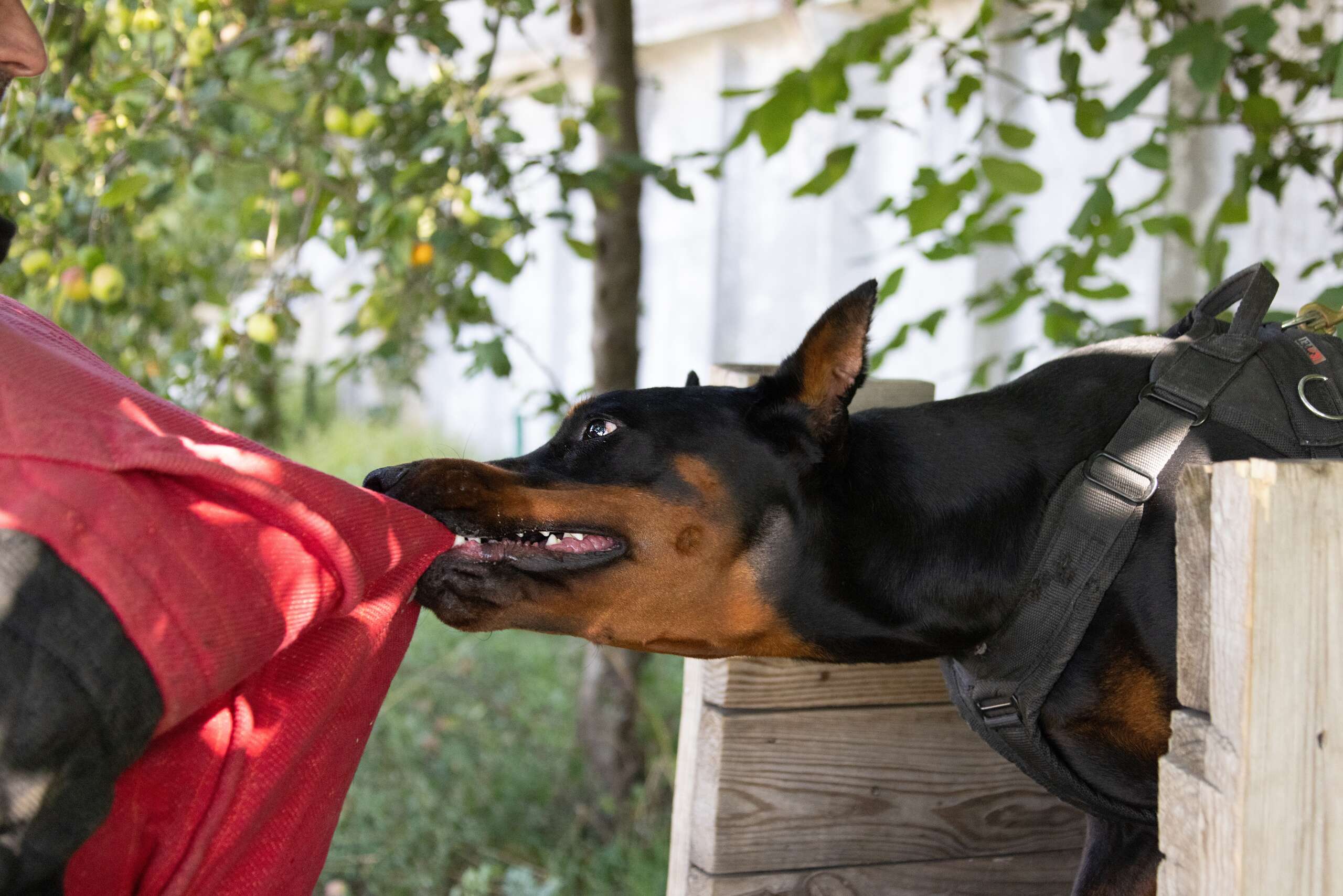
Liability for a Dallas dog attack doesn’t always stop with the dog owner. In some cases, a landlord, property manager, or business may also be held responsible if they knew about a dangerous dog on the property and failed to take reasonable steps to address the risk.

These claims often depend on who controlled the property, what that party knew before the attack, and whether they had the ability to prevent it. That can bring in premises liability principles, negligence, and Texas rules about dangerous dogs.
A Dallas dog bite lawyer can help identify all liable parties, gather records showing prior complaints or notice, and build a case that connects the property owner’s inaction to the attack and resulting injuries.
Key Takeaways for Dog Attack Liability in Dallas
- Texas allows dog attack victims to pursue claims against landlords, property managers, and businesses, not just the dog's owner.
- A property owner may share liability if that owner knew about the dog's aggressive history and failed to remove the animal or fix a broken fence.
- Attacks in common areas like apartment hallways, parking lots, and shared courtyards strengthen a premises liability claim against a landlord.
- Businesses that welcome dogs on patios, in stores, or at events may face a claim if staff ignore signs of aggression.
- Texas has a two-year time limit for filing a lawsuit after a dog attack.
When Can a Dallas Landlord Be Liable for a Dog Attack on Rental Property?
A Dallas landlord or manager may share liability for a dog attack if they knew a dangerous dog was on the property and had the ability to reduce or remove the risk. In rental-property cases, the key issues usually come down to notice and control.
Notice means the landlord or property manager knew, or should have known, the dog posed a danger. That can come from tenant complaints, prior incidents, visible aggressive behavior, or other facts showing the risk was not a surprise.
Control means the landlord had the power to do something about it. That may include enforcing lease terms, requiring the tenant to remove the dog, addressing broken gates or fencing, or taking other reasonable steps to keep common areas safe.
When a landlord has that authority but fails to act, that inaction can support a negligence claim.
What Evidence Proves a Property Owner Knew About a Dangerous Dog?
Proving that a property owner had knowledge of a dangerous dog requires evidence such as written complaints or witness testimony that links the owner to specific warnings or visible signs of aggression.
A Dallas dog attack attorney pursues every available piece of evidence, including:
- Written Complaint Records: Emails, letters, or maintenance requests from tenants that describe aggressive behavior carry significant weight in court.
- Animal Control Reports: Dallas Animal Services keeps records of complaints and prior bite reports about specific animals.
- Witness Statements: Neighbors, maintenance workers, and delivery drivers who saw the dog lunge or chase people can provide sworn statements showing the landlord had reason to know.
- Lease and Policy Documents: A lease that bans certain breeds, paired with proof that the landlord never enforced those terms, shows both knowledge and inaction.
- Maintenance Logs and Video: Records showing a landlord ignored a broken fence near a unit housing a known aggressive dog, or security camera footage of the animal loose in common areas, connect the property defect to the attack.
Property managers sometimes delete digital complaint records or overwrite security footage within days. Photographs of your injuries, the scene, and any property defects before repairs happen can help strengthen your claim for compensation.
Can a Landlord Be Sued for a Dog Attack in a Dallas Hallway or Parking Lot?
A landlord can face a lawsuit for a dog attack in any common area the landlord controls, including hallways, stairwells, parking lots, courtyards, and pool areas. Texas premises liability law places a higher duty of care on property owners in shared spaces because tenants and visitors can’t avoid those areas.
Consider a scenario at a large apartment complex near Uptown Dallas or along Greenville Avenue. A tenant's dog lunges at a mail carrier in the main hallway.
If the property manager had already received two written complaints about that dog growling at neighbors, the victim may have grounds to hold the landlord liable, along with the dog's owner.
Common areas carry extra weight in these claims for several reasons:
- Landlord Control: The landlord retains direct authority over hallways, parking structures, and courtyards, which means the landlord holds a duty to keep those spaces free of known dangers.
- Foreseeability of Harm: Prior complaints or visible aggressive behavior in a shared space make a future attack foreseeable, and foreseeability is a cornerstone of any negligence claim.
- Unavoidable Exposure: Residents, delivery workers, and guests cannot bypass common areas, so the landlord's failure to act puts a large number of people at risk.
- Maintenance Failures: A broken courtyard gate or a gap in a fence that allows a dog to roam into shared walkways connects the landlord's neglect to the attack.
Does a Property Manager Carry the Same Dog Attack Liability as a Landlord?
A property manager can face the same premises liability exposure as a landlord when the management company handles day-to-day operations and fields tenant complaints. Many Dallas apartment complexes use third-party firms that collect rent, enforce lease terms, and respond to maintenance requests.
If that firm receives a complaint about an aggressive dog and fails to act, it steps into the same legal position as the property owner.
How Management Agreements Shift Responsibility
The language in the management agreement between the owner and the firm often controls who holds the duty to address dangerous conditions.
If the contract gives the manager authority to enforce pet policies and start eviction proceedings, Texas courts may hold the manager to the same standard of care as the landlord.
Why It Matters for Victims
Holding the management company liable alongside the landlord may provide access to additional insurance coverage. Management firms may carry liability coverage that may provide added funds for medical bills, lost wages, and pain.
For families dealing with a child's facial scarring from a dog bite at an apartment complex in Dallas County, access to that second policy can change the total recovery.
If you’re dealing with a dog bite case in Texas, read this to discover whether a dog’s breed can influence liability—and how it could impact your clai
Can a Texas Business Face Liability if a Customer's Dog Bites Another Patron?
A Texas business may face dog attack liability when the business invites dogs onto its property and fails to keep other patrons safe. Pet-friendly breweries, restaurant patios in the Bishop Arts District, outdoor markets in Deep Ellum, and retail stores that welcome animals all accept a level of responsibility the moment they open their doors to dogs.
Texas premises liability law classifies paying customers as invitees, the category that receives the highest duty of care. A business must warn invitees about known dangers and take active steps to discover hazards.
When a restaurant allows dogs on its patio and a patron's dog bites another diner, the business may share fault if staff saw the dog acting aggressively and did nothing.
Common issues include:
- No Pet Policy Enforcement: A business that posts dog rules but never enforces them shows a gap between stated safety and actual practice.
- Staff Ignored Warning Signs: Workers who witnessed growling or lunging but failed to ask the dog owner to leave create evidence of the business's negligence.
- Prior Incidents on the Same Property: A previous dog attack at the same location gives the business direct notice and a duty to prevent a repeat event.
How a Dallas Dog Bite Lawyer Helps Your Claim Against a Landlord or Property Manager
A dog attack liability case against a landlord, property manager, or business requires a lawyer who can build pressure across multiple fronts. The insurer will almost certainly argue that the property owner had no knowledge or that the victim somehow caused the attack.
A Dallas personal injury attorney counters each defense with evidence and a clear strategy to secure compensation.
A strong legal team adds value at every stage of the process:
- Identifying Every Liable Party: A thorough investigation can reveal that the dog owner, the landlord, and a management company all played a role. Your attorney can send preservation letters to each party demanding complaint logs, security footage, and lease files.
- Calculating Full Claim Value: Medical bills from Baylor University Medical Center or Parkland Memorial Hospital alone rarely capture the full cost of a dog attack. Your legal team projects future treatment costs and documents the emotional toll through counseling records.
- Negotiating With Multiple Insurers: When liability spreads across several parties, you may have access to the owner's renter's policy, the landlord's property coverage, and the management firm's commercial general liability policy.
- Countering Defenses: Insurers often try to shift blame onto the victim by claiming provocation or trespass. Your attorney gathers evidence from the scene and witness statements to defeat those arguments.
- Filing a Lawsuit: While most cases settle, if the insurer refuses to cooperate, your lawyer can file a lawsuit and fight for your rights in court.
FAQ for Dog Attack Liability in Dallas
Does the One-Bite Rule Protect a Landlord From Dog Attack Liability in Texas?
Texas’s one-bite rule applies mainly to dog owners, not landlords. A landlord faces liability under premises liability, which focuses on what the landlord knew about a dangerous condition and whether the landlord took reasonable steps to fix it.
Even if the dog had never bitten anyone, a landlord who received complaints about growling or charging at neighbors may still face a claim.
Can I File a Claim Against Both the Dog Owner and the Landlord?
Texas law allows a victim to pursue claims against every party whose negligence played a role. Filing against both the dog owner and the landlord doesn’t force the victim to choose.
Coverage may come from more than one policy, and a jury can assign a percentage of fault to each. This approach often increases the total available compensation.
What Happens if a Landlord Didn’t Know About the Aggressive Dog?
A landlord who had no actual or constructive knowledge of a dangerous dog holds a stronger defense, but your attorney will investigate whether the landlord should have known the animal was dangerous.
Visible aggressive behavior in common areas, unreported complaints handled by on-site staff, or a failure to conduct routine inspections can establish constructive knowledge.
How Long Do I Have To File a Dog Attack Lawsuit in Texas?
Texas imposes a two-year statute of limitations on personal injury claims, including dog bite cases. The clock starts on the date of the attack, and missing this deadline almost always bars you from recovery compensation. Contact a lawyer well before the two-year mark to protect your claim.
Does a “Beware of Dog” Sign Shield a Property Owner From a Dog Attack Liability Claim?
A posted sign doesn’t protect a landlord or business from liability on its own. While the sign may be used as evidence, it doesn’t automatically prove the property owner knew the animal was dangerous.
Texas courts consider the full picture, including whether additional safety measures were in place. A sign without leash rules, secure fencing, or removal of the animal is unlikely to defeat a premises liability claim.
Protect Your Rights After a Dallas Dog Attack
Dog attack liability cases involving landlords, property managers, and businesses demand fast action and a clear legal strategy. The Law Firm of Aaron A. Herbert, P.C. fights for dog attack victims across Dallas and Fort Worth.
We know how to hold every responsible party accountable when negligence leads to serious injuries. Let us investigate the property, gather complaint records, and build a case designed to recover the full value of your medical bills, lost income, and pain.
Call (214) 200-4878 or fill out our online contact form today for a free, no-obligation case review.