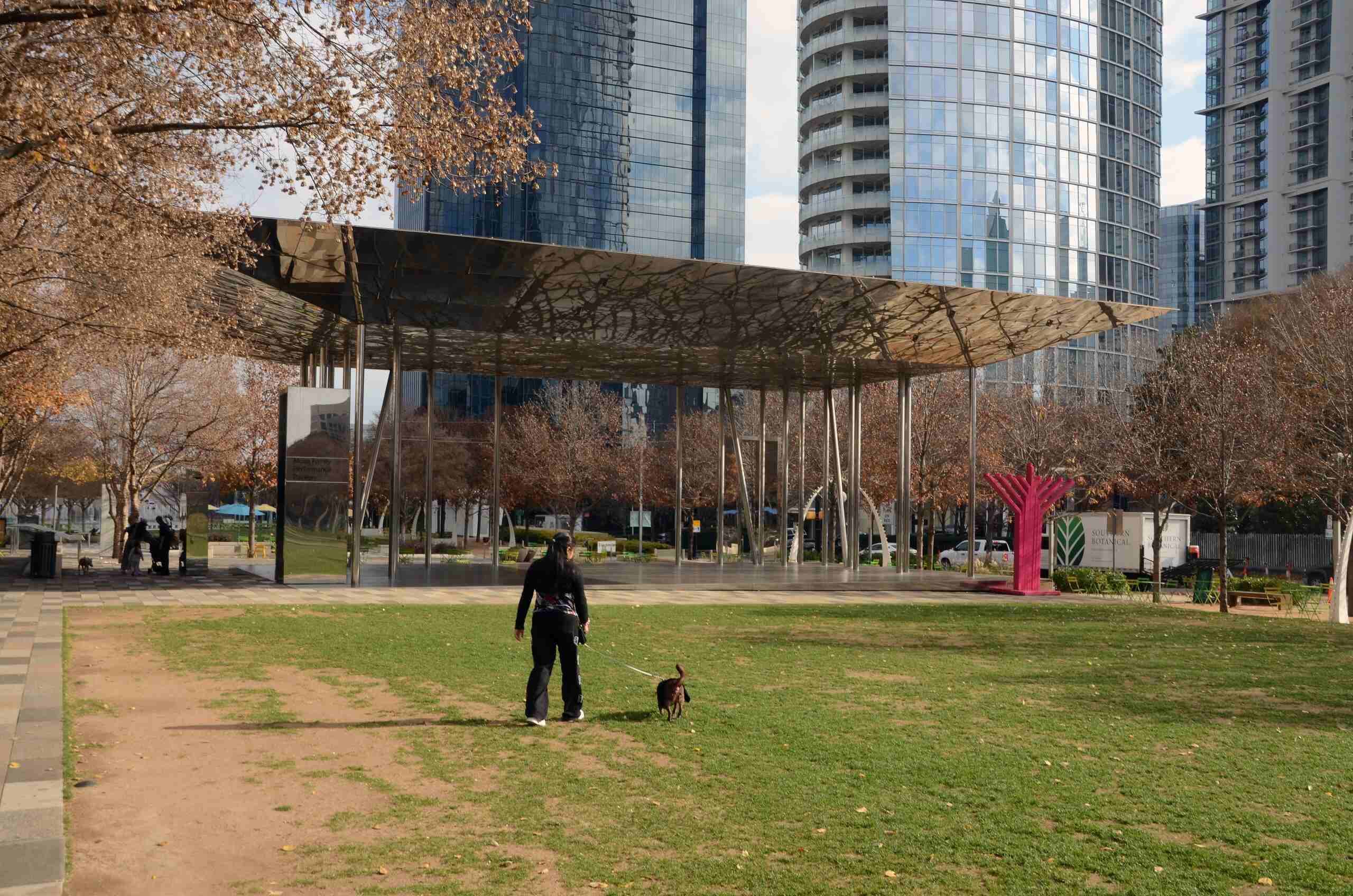
Texas’s one-bite rule affects how dog bite claims work by focusing on what the owner knew about the animal’s behavior before the attack. In many cases, a victim must show the owner knew, or should have known, the dog had dangerous tendencies.

This doesn’t mean a dog gets a “free bite.” The law allows claims based on other signs of aggression, such as prior incidents, threats, or behavior that should have put the owner on notice. What matters most is whether the evidence shows that the owner had reason to act before the attack.
Since these cases often depend on what can be proven about the dog’s history and the owner’s awareness, building a strong claim usually requires a careful investigation.
A Texas dog bite lawyer can help gather that evidence, apply state law to the facts, and present a case that meets the legal standard for liability.
Key Takeaways for Texas's One-Bite Rule
- Texas's one-bite rule requires you to prove the owner knew the dog was dangerous before the attack.
- You can still hold an owner liable through a standard negligence claim even if the dog had no history of biting.
- Proof of a dog’s vicious propensities can include evidence of prior bites, growling, lunging, or other menacing conduct.
- Documentation like animal control records, police reports, and witness testimony is fundamental to building a strong case.
- An owner's failure to properly secure their dog, such as violating a Dallas leash law, can serve as powerful evidence of negligent handling.
How Do You Prove a Dog Had Vicious Propensities?
You prove a dog had vicious propensities by showing the owner knew, or should have known, the dog had a history of aggressive or dangerous behavior before the attack. That evidence doesn’t have to involve a prior bite.
If the owner knew about that dangerous behavior and failed to prevent the dog from hurting someone, that history can help establish liability under Texas’s one-bite rule.
What Behaviors Show a Dog Was Dangerous?
Common behaviors that show a dog was dangerous in Texas include prior attacks, repeated lunging or snapping, and aggressive behavior toward people. It’s not enough to say the dog seemed aggressive.
Stronger claims usually rely on concrete examples of conduct the owner knew about, such as:
- Prior Attacks: A previous bite or attack can strongly support the argument that the owner knew the dog was dangerous. Even an earlier incident that didn’t cause severe injury may still matter.
- Growling, Lunging, or Snapping: Repeated behavior like growling, snarling, lunging, or snapping at people can help show the dog had aggressive tendencies before the bite.
- Aggressive Behavior at Fences or on Leashes: A dog that regularly charges a fence, strains at a leash, or acts aggressively toward passersby may give the owner warning that the animal could harm someone.
- Warnings From the Owner: Statements like “Stay back” or “This dog might bite” can help show the owner already recognized the danger.
- Training for Aggression or Guarding: In some cases, evidence that a dog was trained for fighting, attack work, or aggressive guarding may support the argument that the dog posed a known risk.
Is It Difficult To Prove a Texas Dog Attack Claim Without Prior Bites?
Proving a Texas dog attack claim without prior bites can be more difficult, but it’s still possible. The key is showing the owner knew, or should have known, the dog had other dangerous tendencies even if it had never bitten anyone before.
That is why these cases often depend on evidence of repeated aggressive behavior rather than a formal bite history. Witness statements, owner warnings, and other signs the dog posed a risk can help show the owner had notice before the attack happened.
Building a Case Without a Bite History
Without a formal bite on record, your legal team focuses on gathering other types of evidence to prove the owner's awareness of the danger.
This includes:
- Neighborhood Canvassing: Your legal team can interview residents who live near the dog’s owner to ask if they witnessed any menacing conduct.
- Delivery and Service Worker Interviews: Speaking with mail carriers, package delivery drivers, and utility workers who may have had unsettling encounters with the dog can bolster your claim.
- Social Media and Text Messages: An investigation may uncover posts or messages where the owner may have mentioned the dog’s aggressive temperament.
A Dallas dog bite lawyer can compile this information to construct a compelling narrative. The goal is to show a jury or insurance adjuster that a reasonable person in the owner’s position would have taken steps to prevent an attack.
Can an Owner Be Held Liable for Negligence?
A dog owner can be held liable for negligence in Texas if they failed to act reasonably and that failure led to the attack, even if they had no prior knowledge that the dog was dangerous. Negligence focuses on whether the owner acted reasonably under the circumstances, not what they knew about the dog beforehand.
This is different from Texas’s one-bite rule, which requires proof that the owner knew the dog had dangerous tendencies. A negligence claim doesn’t depend on the dog’s history. Instead, it looks at whether the owner took reasonable steps to control the dog and prevent harm.
To prove negligence, a claim must show the owner had a duty to act carefully, failed to meet that duty, and caused injuries as a result. For dog owners, that duty usually means properly restraining the animal and following local safety rules.
Common examples of negligence include:
- Leash Law Violations: Allowing a dog to roam off-leash in areas where Dallas or Fort Worth ordinances require restraint may constitute negligence.
- Inadequate Fencing: An owner may be liable if they fail to maintain a secure fence or gate, allowing the dog to escape.
- Faulty Equipment: Using a worn leash, broken collar, or other equipment that fails during control may be considered negligence.
- Failure To Control the Dog: If an owner or dog walker is unable to physically manage the dog in public, they may be liable for an attack.
- Improper Supervision: Allowing someone who cannot control the dog, such as a young child, to handle it, may constitute negligence.
In these cases, the focus shifts away from the dog’s past behavior and toward the owner’s actions in the moment, which can provide a more direct path to liability.
Does a "Beware of Dog" Sign Protect an Owner From Liability in Texas?
A "Beware of Dog" sign doesn’t automatically protect an owner from liability in Texas. In fact, under Texas’s one-bite rule, it can do the exact opposite. That sign can be used as evidence that the owner knew their dog had vicious propensities.
From a premises liability standpoint, a sign may serve as a warning to adults who enter the property. However, it provides almost no protection if the victim is a child who is too young to read or appreciate the danger.
Furthermore, a sign does nothing to protect an owner if their dog escapes the property and attacks someone in a public space, like a sidewalk or a park. An owner’s duty of care extends beyond their property line.
If you’re dealing with a dog bite case in Dallas, read this to discover whether a dog’s breed can influence liability—and how it could impact your claim.
How a Dallas Dog Bite Lawyer Builds a Strong Claim for Compensation
Dog bite claims in Texas often depend on details that are easy to miss, especially when the case turns on the dog’s history, the owner’s conduct, or both. A lawyer helps by identifying the best path to liability, gathering the right evidence, and documenting the full impact of the attack.
Their work is beneficial whether the claim involves Texas’s one-bite rule, negligence, or both. Instead of relying on assumptions, a lawyer builds the case on records, witness accounts, violations of local ordinances, and evidence of the injuries and losses you suffered.
A lawyer may help by:
- Investigating the Dog’s History: Your lawyer can look for prior complaints, animal control records, witness accounts, and other evidence showing the dog had dangerous tendencies before the attack.
- Analyzing the Owner’s Conduct: Your attorney can evaluate whether the owner failed to use reasonable care by violating leash rules, using improper restraints, or allowing the dog into a situation they couldn’t safely control.
- Gathering Records and Witnesses: A strong claim may depend on medical records, photographs, neighborhood witnesses, animal control reports, and statements from delivery drivers, mail carriers, or others who had prior contact with the dog.
- Documenting Your Losses: A lawyer can help account for more than the initial hospital visit by documenting future treatment, physical therapy, counseling, scar revision, lost income, and other lasting effects of the attack.
- Responding to Insurers: If the insurer disputes liability, downplays the injuries, or questions future damages, your attorney can push back with evidence and a clearer legal theory.
- Litigating Your Case: If a fair settlement doesn’t happen, your lawyer can prepare the case for suit and present the evidence in court.
FAQ for Texas's One-Bite Rule
What Exactly Does Texas's One-Bite Rule Mean for My Case?
For your case, Texas's one-bite rule means you have the burden of proving the dog owner knew or reasonably should have known that their dog had dangerous tendencies before it bit you. It’s a rule about proving the owner's prior knowledge of a history of aggression.
What Should I Do Immediately After a Dog Bite in Dallas?
After a dog bite in Dallas, get medical care immediately, even if your wounds don’t initially seem too bad. Gather the dog owner’s information, any witness details, photos of the injuries, and records of where you received treatment. Report the attack to Dallas Animal Services, and then call a lawyer to protect your legal options.
Is a Child's Dog Bite Case Different in Texas?
Dog bite cases involving children are handled with particular care because children are less able to recognize danger or defend themselves. Defenses like provocation are harder for an owner to claim against a small child.
Additionally, damages for a child can be significant, as they may face a lifetime of scarring and disfigurement, along with profound emotional trauma that requires long-term therapy.
Can an Owner Say I Provoked Their Dog if I Was Bitten?
An owner may try to argue that you provoked the dog, causing it to attack. To be successful, the owner must show that you intentionally and knowingly did something to incite the animal. Actions like teasing, hitting, or cornering a dog might be considered provocation.
However, unintentional acts, such as accidentally stepping on a dog's tail, are generally not sufficient to support this defense.
What Is the Statute of Limitations for a Dog Bite Claim in Texas?
In Texas, the statute of limitations for personal injury claims, including dog bites, is two years from the date of the incident. This means you must file a lawsuit within two years of the attack, or you’ll lose your right to pursue compensation.
Since this is a strict deadline, speak with a Texas dog bite lawyer soon after the incident to protect your legal options.
Learn About Your Rights Today
Holding a dog owner accountable under Texas's one-bite rule requires knowledge and preparation. The Law Firm of Aaron A. Herbert, P.C. knows how to get the evidence needed to build a strong dog bite claim in Texas.
If you or a loved one has suffered an injury from a dog attack, contact us for a free and confidential consultation. Call us today at (214) 200-4878 or fill out our online contact form to get the help you need.
Aaron A. Herbert
Founding Attorney

Aaron A. Herbert is a Texas attorney, Board Certified in Personal Injury Trial Law by the Texas Board of Legal Specialization.
For over a decade he has shown an unwavering commitment to clients who were seriously injured by major accidents and industrial catastrophes. During that time he has earned the reputation as one of America’s most aggressive trial lawyers by achieving noteworthy recoveries from judges and juries, as well as substantial settlements prior to trial, the majority of which contained negotiated confidentiality agreements at the request of the defense. When asked about these cases, Mr. Herbert has said that each case not only justified the recovery level, but that no one would trade places with any one of these victims in return for any amount of money, once they know the facts and severity of the injuries and tragedy involved. According to Mr. Herbert, “there can be no substitute for passion, preparation and persistence in the practice of law”. He is known not only for this tenacious preparation, but also for his imagination in the courtroom. He is passionate and persistent in seeking to obtain the maximum case value for each individual client at trial or through settlement, while reducing the stress of litigation on his clients. Born and raised in Dallas, Texas, Mr. Herbert enlisted in the United States Marine Corps after high school and later received an Honorable Discharge. After the Marines, he obtained a Bachelor of Science in Criminal Justice from Texas A&M University, then a Juris Doctorate from the University of Oklahoma College of Law. There he graduated in the top of his class and became an eternal Sooners Football fan. Aaron has worked as a zealous advocate for injured clients at several boutique personal injury litigation firms where he amassed numerous jury verdicts. After spending a year as the top earning litigation attorney at a firm that frequently tops verdict search as one with the highest number of trial wins in Texas, Aaron accepted a position as a the managing pre-litigation attorney at another Dallas personal injury firm. Over the next seven years he transitioned to the managing litigation attorney, and that firm grew to one of the largest personal injury firms in Dallas. In 2010 he formed the Law Firm of Aaron A. Herbert, to get back to a focus on developing each individual case and maximizing case value for each client. Mr. Herbert practices law with the belief that a well taken care of, highly engaged and motivated team of employees working in a cooperative team environment will result in superior representation and great results for the firm clients. He believes in always setting a goal of achieving the best possible results for each and every client.
Education
Texas A&M University (B.S. Criminal Justice, 1999)
University of Oklahoma College of Law (J.D., 2002)
Professional Associations
Licensed to practice in Texas (2002)
Board Certified in Personal Injury Trial Law – Texas Board of Legal Specialization (2008)
Member
State Bar of Texas
American Bar Association
American Trial Lawyer Association
Texas Trial Lawyers Association
Dallas Trial Lawyers Association
Dallas County Bar Association
Tarrant County Bar Association
Million Dollar Advocates Forum
Nation Trial Lawyers – Top 100 Trial Lawyers
Publications
Litigating Dog Bite Cases, Texas Dog Law Seminar, Dallas 2009