





Getting a rejection letter from an insurance company after a serious accident hurts. It’s an insult on top of an injury. You’re in pain, your car needs repairs, and the safety net you counted on disappeared.
If you face a denied car insurance claim, Texas residents often find that a denial acts as a hurdle, not a wall. A Dallas car accident lawyer can help you fight back. Finding the specific reason for the denial, gathering better evidence to prove the other driver caused the crash, and using Texas law forces the adjuster to look again.
Insurance companies often deny claims, hoping the injured person will give up because it saves them money. They train teams to look for loopholes to avoid paying a fair amount. But you have rights.
Identifying whether they dispute the accident details or the policy itself helps you build a plan to appeal the decision and demand the money you need.
Claim Denial Chaos
- A denial letter starts the dispute process rather than ending the claim.
- Insurance adjusters in Texas must write a specific reason for denying a claim.
- Disputes generally fall into two groups involving either fault arguments or coverage issues.
- Texas uses a modified comparative negligence system regarding how fault affects payout.
- Appealing a decision needs strong evidence like police reports and witness statements.
- Bad faith practices happen when insurers unreasonably deny or delay valid claims without good cause.
Get a Free Consultation
 Call us now
Knowing Why You Received a Denied Car Insurance Claim in Texas
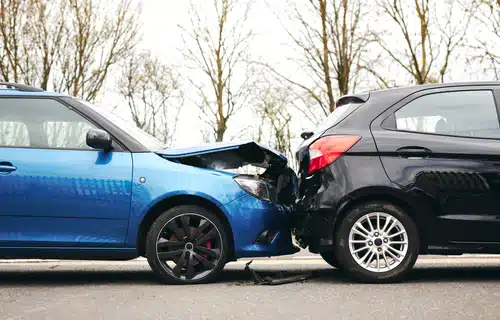
The legal words in a denial letter might look confusing, but Texas law makes the insurance company explain exactly why they refuse to pay if you are accused of a car accident. They cannot just say no without a reason.
Knowing their reasoning is the first step toward fixing the problem. Usually, the denial occurs because they say the accident was your fault or claim the insurance policy does not cover this specific situation.
Sometimes, they deny a claim for a simple reason, like a missed deadline or a paperwork error. Other times, they use it as a trick to see if you will fight back. Drivers in Dallas and Fort Worth, where traffic on I-635 and US-75 gets heavy and accidents get complex, often face adjusters who make fast, inaccurate decisions.
Here are common reasons for claim denial letter recipients might see:
- Liability Dispute: The insurer believes you caused the accident, or they think their driver holds no responsibility.
- Policy Exclusions: They claim the specific type of damage or injury falls outside the contract.
- Lapsed Coverage: They argue the policy ended because the driver stopped paying premiums.
- Delay in Reporting: They say you waited too long to tell them about the crash or your injuries.
Pinpointing the specific reason allows you to gather the right proof to show them they made a mistake.
Bad Faith Insurance Tactics Dallas Residents Face
Ideally, insurance companies would treat everyone fairly, but businesses put profits first. Sometimes, a denial goes beyond a simple disagreement and becomes bad faith.
This means the insurance company knowingly treats you unfairly or acts dishonestly. Texas law protects consumers from these specific tricks.
Drivers dealing with bad faith insurance tactics Dallas insurers use often feel ignored or bullied, especially when they are also dealing with pain after a car accident. The adjuster might stop returning calls, or they might demand unrelated paperwork just to slow the process.
Watch out for these common bad faith actions:
- Unreasonable Delays: Taking months to investigate a simple rear-end collision on the Central Expressway without explanation.
- Lowball Offers: Offering a settlement that barely pays your emergency room copay, let alone your long recovery.
- Misrepresenting the Law: Lying to you about what damages Texas state laws allow you to recover.
- Failure to Explain: Sending a denial without pointing to the specific policy language that supports their decision.
Spotting these tactics matters because bad-faith behavior can sometimes lead to a separate legal claim against the insurance company.
Steps to Take After Receiving a Denial Letter
Read the letter, calm down, and then get to work. You do not have to accept their decision. Understanding car insurance laws can help shape your next steps. The appeal strategy involves gathering so much evidence that it becomes impossible for them to stick to their original denial. This requires organization and persistence.
Act quickly, though. Evidence can disappear, and memories fade. Commercial trucking companies or rideshare services involved in the crash might already be acting to protect themselves.
Follow these steps to build your appeal:
- Save the Letter: Keep the physical denial letter and the envelope it came in; this proves when they notified you.
- Request the File: Ask the insurance company for a copy of their investigation file regarding your claim.
- Correct Errors: Tell them in writing immediately if they listed the wrong date, time, or location.
- Gather New Evidence: Go back to the scene if possible, find witnesses, or find photos you took right after the crash.
Taking these proactive steps shows the insurance company that you mean business.
Gathering the Right Evidence to Prove Your Case
Arguments relying on just your word rarely win against a denial. You need hard facts. An insurance company denying a claim based on liability essentially claims their evidence beats yours.
Changing the outcome requires providing documentation that clearly depicts what happened. A crash on a busy road like the LBJ Freeway might appear on traffic cameras or nearby business security footage. Even the smallest detail can change the outcome of a claim.
Focus on collecting these specific items:
- The Texas Peace Officer’s Crash Report: This official police report contains the officer’s opinion on who caused the crash.
- Medical Records: These prove that your injuries came from the accident and not a pre-existing condition.
- Witness Statements: Independent people who saw the crash hold power because they have no reason to lie.
- Photos of Damage: Pictures showing where the cars hit can prove how the accident happened, contradicting the adjuster’s story.
Presenting a stack of undeniable proof forces the adjuster to look at their position again.
How Texas Law Helps Your Fight

The modified comparative negligence rule stands out as one of the most vital laws. Texas law allows you to get paid even if you bear partial fault, as long as you bear 50% or less of the responsibility. An adjuster acts wrongly if they deny you simply because you held 10% of the fault.
- 51% Bar Rule: A jury finding you 51% or more at fault means you cannot recover damages; however, if you are 50% or less, your payout drops only by your percentage of fault.
- Statute of Limitations: Texas statutes generally give you two years from the date of the injury to file a lawsuit (refer to Texas Civil Practice and Remedies Code Section 16.003).
- Prompt Payment of Claims: Texas law sets strict deadlines for how fast insurers must acknowledge, accept, or reject claims (more details at the Texas Department of Insurance).
Using the law as a shield prevents insurance companies from taking advantage of you.
Why Fighting Matters for Serious Injuries
A denial might annoy you if you only had a scratched bumper. But a denial changes your life if you face broken bones, spinal injuries, or a traumatic brain injury.
You need that compensation to pay for surgeries, rehabilitation, and lost wages. Insurance companies know that seriously injured people feel financial pressure, and they use that pressure to force low settlements or denials.
Fighting back secures your future. Making sure you can pay your bills five or ten years from now matters if your injury causes long-term problems. Never let a corporation decide the value of your health and future.
Choosing the Right Representation
Handling this alone brings risks when the stakes get high. Insurance companies have armies of lawyers defending their profits. Car accident lawyers can help level the playing field. You deserve a fighter in your corner who knows their tricks.
An attorney who is Board Certified in Personal Injury Trial Law proves they have the skills to handle complex trials. Your lawyer handles the hard work—talking to the adjusters, filing the paperwork, and building the strategy—so you can focus on healing.
FAQs: Denied Car Insurance Claim Texas
How long do I have to appeal a denied insurance claim in Texas?
While no single deadline exists for sending an internal appeal letter to the insurance company, you must watch the Statute of Limitations. Texas statutes generally give you two years from the date of the accident to file a lawsuit. Spending too much time arguing with the adjuster and missing this two-year window destroys your right to sue forever.
Can an insurance company deny my claim if I did not call the police?
Yes, they can and often do deny claims without a police report because the situation becomes your word against the other driver’s word. However, lacking a police report does not destroy your case. You can use other evidence like photos of the scene, witness testimony, skid marks, and surveillance video to prove what happened and overturn the denial.
What happens if the other driver’s insurance denies liability?
If the other driver’s insurance says their client holds no fault, you have a few options. Filing a claim under your own policy works if you have Uninsured/Underinsured Motorist (UM/UIM) coverage or Collision coverage. Your insurance company then pays for your repairs and injuries and may go after the other company later to get their money back.
Does a verbal denial from an adjuster count as official?
No, a verbal no over the phone does not satisfy the requirement. Texas law requires insurance companies to explain their decision in writing. Demand that they send you a formal letter stating the specific reason and the policy language they rely on if an adjuster tells you they deny your claim.
Will my insurance rates go up if I fight a denial?
Fighting a denial on a claim where you held no fault generally should not raise your rates. Texas law stops insurers from raising premiums solely because you filed a claim for an accident that was not your fault. Challenging a wrongful denial is your right and is necessary to get the benefits you pay for.
Contact The Law Firm of Aaron A. Herbert, P.C. Today
When the insurance company slams the door in your face, you need someone strong enough to kick it open. The Law Firm of Aaron A. Herbert, P.C. fights for the seriously injured against the biggest insurance giants in Texas. We know their tactics, we know the law, and we do not back down.
Located on the LBJ Freeway in North Dallas, our team stands ready to review your denial letter and map out a plan to get you maximum compensation. We hold Board Certification in Personal Injury Trial Law—a distinction fewer than 2% of Texas attorneys earn. We answer the phone 24/7, and we can come to you if you cannot come to our high-rise office in Suite 700.
Do not let a denial letter end your story. Call us today to discuss your case. You pay no fee unless we win. Se habla español.
AARON A. HERBERT
Aaron A. Herbert is a highly regarded trial lawyer known for his aggressive advocacy on behalf of seriously injured clients in major accidents and industrial catastrophes. With over a decade of experience, he has built a reputation for securing significant verdicts and settlements, often under confidentiality agreements. He emphasizes passion, preparation, and persistence in his practice, aiming to maximize case value while minimizing litigation stress for his clients. As seen in Justia and Yelp.


