
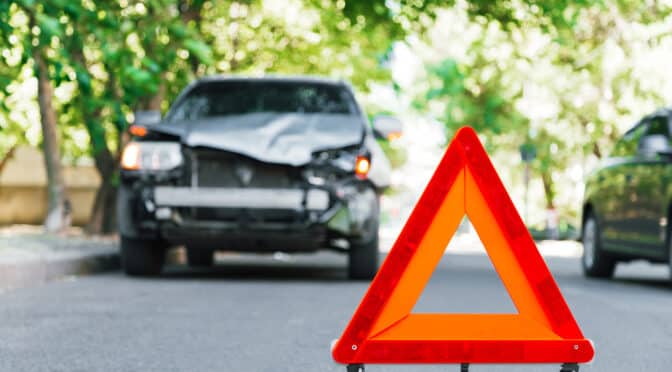
Discovering someone hit my parked car and left can be incredibly frustrating, especially in a busy city like Dallas, where parking areas stay crowded and surveillance footage disappears fast. In Texas, leaving the scene after damaging another vehicle qualifies as a hit-and-run offense, leading to criminal and financial consequences for the fleeing driver. Often, vehicle owners find the damage long after the incident, unsure how to proceed. At The Law Firm of Aaron A. Herbert, P.C., we guide drivers through immediate actions and help gather evidence, file reports, and pursue compensation for repair costs and other losses.
Texas’ Hit-and-Run Laws
Texas Transportation Code Title 7, Section 550.001 contains the state’s main hit-and-run law, described as a driver’s duties following an accident. It states that anyone involved in a wreck with another driver or with a parked vehicle must stop as close to the scene of the collision as possible. The driver must determine if anyone involved in the crash needs medical assistance. In a crash involving a parked, unattended vehicle, a driver must remain on the scene until he or she has fulfilled the required duties under Section 550.024.
- Taken reasonable measures to locate the owner of the vehicle
- Left a note in a visible place with the driver’s name and address
- Included how the accident happened
- Left other contact information, such as a phone number
- Given the name of the driver’s insurance company
Striking a parked car and fleeing the scene is a hit-and-run in Texas. The charge for this crime is either a Class C or Class B misdemeanor depending on the value of the damage to all vehicles. Damage exceeding $200 is a Class B misdemeanor. If the accident caused bodily injuries, the hit-and-run could be a felony crime, punishable with a jail or prison sentence and/or fines.

What To Do if You Accidentally Hit a Parked Car?
Hitting a parked vehicle in Dallas is a simple mistake thousands of drivers make each year. Texas has insurance requirements for just such reason. Your insurance company should cover the damages to the other person’s vehicle. Your insurance premium may increase, but you will not face criminal charges if you remained at the scene and fulfilled your duties.
You can get into much more trouble if you commit a hit-and-run. If you strike a parked car in Dallas, remain at the scene and provide the required information, either to the owner if you locate him or her, or in the form of a note.
Steps to Take After a Hit-and-Run Accident
Under Texas Transportation Code §550.024, any driver involved in a collision with an unattended vehicle must stop, locate the owner, or leave written contact details, then remain nearby until all duties are fulfilled. When a driver fails to comply, the victim’s actions immediately after discovering the damage can strongly influence insurance recovery and potential liability claims. Follow these steps to protect your rights and preserve valuable evidence:
- Call the police immediately. A police report creates official documentation verifying the date, location, and nature of the crash. Insurance companies rely heavily on this report when determining coverage and liability. Without it, your claim may face unnecessary delays or denials.
- Document the scene. Capture photos or video from multiple angles showing the position of your vehicle, surrounding debris, paint transfers, and license plate fragments if visible. Include nearby landmarks or signage to confirm location accuracy.
- Locate witnesses. Ask anyone nearby, pedestrians, store employees, or security personnel if they saw the incident. Their statements can help identify the fleeing driver.
- Look for surveillance footage. Many Dallas parking garages, retail centers, and apartment complexes maintain camera systems. Request the footage as soon as possible before the recordings reset or are deleted automatically.
- Notify your insurance provider. Prompt reporting helps preserve your right to coverage under specific policy terms. Provide the claim number once the police report becomes available.
- Keep receipts and repair estimates. These documents support your claim for property damage and demonstrate financial losses tied to the collision.
Every action you take serves as evidence supporting your case, especially when the responsible driver remains unidentified.
[second-free-consultation id="1"]
Understanding Liability in a Hit and Run Accident
In Texas, liability depends on fault and available coverage. The Texas Department of Insurance explains that while state law requires drivers to maintain liability insurance, this coverage only pays to repair the other person's car if you're at fault in an accident. Liability insurance will not pay for your own vehicle repairs after a hit-and-run.
To protect their interests, drivers need collision coverage or uninsured/underinsured motorist (UM/UIM) property damage coverage. Both options pay for car repairs after a hit-and-run accident, with UM/UIM coverage typically offering a lower deductible and potential rental car reimbursement. When questions like is hitting a parked car and leaving a hit and run arise, these coverages often determine how quickly drivers recover financially.
How Does My Insurance Cover Damages?
Insurance coverage can pay for repairs even when the driver who caused the damage cannot be identified, depending on the types of coverage selected. According to the Texas Department of Insurance’s Consumer Publication CB020, auto policies help protect drivers financially by covering vehicle repairs or replacement after accidents, theft, or vandalism, depending on your coverage. In a hit-and-run situation, several types of coverage may apply depending on the policy’s terms and selected options:
- Uninsured/Underinsured Motorist Coverage: This option compensates for repair costs when an unidentified or uninsured driver strikes your parked vehicle. Texas law requires insurers to offer this protection, though policyholders can reject it in writing.
- Collision coverage: This protection pays to repair or replace your car after an accident. A deductible typically applies, but the insurer manages the repair process.
- Comprehensive Coverage: This coverage pays for damage from fire, flood, vandalism, theft, or other non-collision events. While it does not typically cover hit-and-run accidents, it protects parked vehicles against other damage.
Many Dallas drivers realize the importance of reviewing their coverage once someone hit my parked car and left. Advanced policy awareness prevents major financial strain by helping vehicle owners select better protection and avoid claim denials or reduced payouts.
Will My Insurance Go Up If Someone Hits My Car?
Insurance rates usually remain steady when clear proof shows no fault on the policyholder’s part. Texas insurers base premium adjustments on risk and claim frequency rather than unavoidable incidents. A hit-and-run collision recorded as “not at fault” rarely triggers a surcharge.
However, your insurer might reclassify your risk category after frequent claims, even when you are not at fault. To reduce the likelihood of higher premiums:
- Provide clear documentation from the police report confirming your non-involvement.
- Submit photos, witness statements, and video evidence showing your parked vehicle was unattended.
- Maintain open communication with your insurer and request written confirmation that the claim will not affect your rates.
Each insurance company applies its underwriting criteria, but solid documentation and timely reporting demonstrate diligence and transparency, minimizing premium adjustments.
Could You Sue for Hit-and-Run?
If the police catch the driver that hit your parked vehicle and ran, you will have the right to file a civil claim against the driver. A civil claim differs from a criminal one. It serves to reimburse you for your property damage repairs and other related damages, not to punish the perpetrator for a crime.
You may bring your action during an ongoing hit-and-run criminal trial, or you may wait until the trial ends. The Texas courts will toll your statute of limitations until the completion of a criminal case involving the hit-and-run driver. To learn more, speak to an experienced Dallas car accident lawyer about what your options are for filing an accident claim for your damages.
Is it Possible to File a Claim Without Knowing Who Hit Me?
Victims can file a claim even when the at-fault driver remains unknown. Drivers in Dallas can pursue compensation through their own insurance if their policy includes collision or UM/UIM coverage.
- Collision Coverage: Pays for vehicle repairs after a hit-and-run, minus your deductible.
- UM/UIM Property Damage Coverage: Helps when an unidentified or uninsured driver causes the damage.
- Comprehensive Coverage: Applies in specific non-collision incidents, such as vandalism or falling debris.
When filing, provide as much documentation as possible: police reports, photos, witness statements, and repair estimates. The more detail included, the stronger the claim evaluation.
If a vehicle sustains injuries to passengers during the impact, medical expenses can be addressed through personal injury protection (PIP) or medical payments coverage. Both options help pay immediate medical costs without waiting for liability decisions.
Contact a Car Accident Lawyer in Dallas Today
A hit-and-run can leave vehicle owners with repair bills and unanswered questions about how to recover their losses. The Law Firm of Aaron A. Herbert, P.C. provides clear direction for Dallas drivers after these stressful collisions, handling insurers, paperwork, and investigations. Call us at 214-200-4878 or complete our online form today to schedule a free consultation and learn how to obtain fair compensation under Texas law.
Frequently Ask Questions
1. What are you legally required to do if you hit a parked car?
You must stop immediately, attempt to find the owner, exchange information, or leave a note, and report the accident if the owner isn’t present.
2. What information should you leave if the owner isn’t there?
Leave a note with your name, contact information, and license plate number so the owner can reach you.
3. When should you contact the police after hitting a parked car?
You should contact the police if you can’t find the owner, can’t safely leave a note, or local laws require a report.